Table of Contents
Discovering Neurofeedback Therapy Options
In today’s fast-paced world, many of us face mental health challenges like ADHD, anxiety, or trauma that can disrupt daily life. If you’re searching for neurofeedback near me in Utah, you’re not alone–we’re here to help explore gentle, effective options. Listening to mental health podcasts can offer initial insights, but professional support takes it further.
Neurofeedback therapy, often called brain training therapy nearby, is a non-invasive method that uses EEG-guided feedback to retrain brain patterns in real time. According to the International Society for Neuroregulation & Research, it promotes self-regulation of brain function safely, without medication. This approach shows promise for conditions like neurofeedback for ADHD, anxiety, addictions, and PTSD, helping individuals achieve better emotional balance. In Utah, local neurofeedback options are accessible through trusted providers offering evidence-based care.
At Butterfield Counseling and Neurofeedback, we combine board-certified neurofeedback with clinical counseling at our clinics in Riverdale and Logan for in-person sessions, plus telehealth throughout the state. Our team of licensed therapists delivers personalized, supervised training to support mental well-being. Now accepting new clients, we start with free initial consultations to discuss your needs.
This guide will dive deeper into understanding neurofeedback, its benefits, how it works, and best practices–empowering you to make informed choices for your journey.
Understanding Neurofeedback Therapy
Neurofeedback therapy offers a promising way to support mental health by training the brain to function more effectively. This non-invasive approach uses real-time feedback to help individuals regulate brain activity, much like exercising a muscle to improve strength and control. For those searching for neurofeedback near me in Utah, understanding its basics can clarify how it fits into a broader treatment plan.
The Science Behind Brainwave Training
At its core, neurofeedback relies on electroencephalography (EEG) technology to monitor brainwave patterns. Sensors placed on the scalp detect electrical activity, displaying it on a screen in real time. This allows you to see and influence your brain’s responses, fostering self-regulation through guided sessions.
The process works via feedback loops: when your brain produces desired patterns, you receive positive reinforcement, such as seeing a video progress smoothly. Over time, this trains neural pathways for better focus and calm. Key brainwave types include:
- Delta waves: Deep sleep and restoration.
- Theta waves: Creativity and relaxation, but excess can signal inattention.
- Alpha waves: Calm alertness, ideal for stress reduction.
- Beta waves: Active thinking, with high levels linked to anxiety.
- Gamma waves: High-level processing and integration.
For those exploring neurofeedback in Utah, local brain training sessions emphasize these patterns to address everyday challenges. According to resources from the International Society for Neuroregulation & Research, neurofeedback is generally safe, with minimal side effects reported in studies, making it a supportive tool rather than a standalone fix.
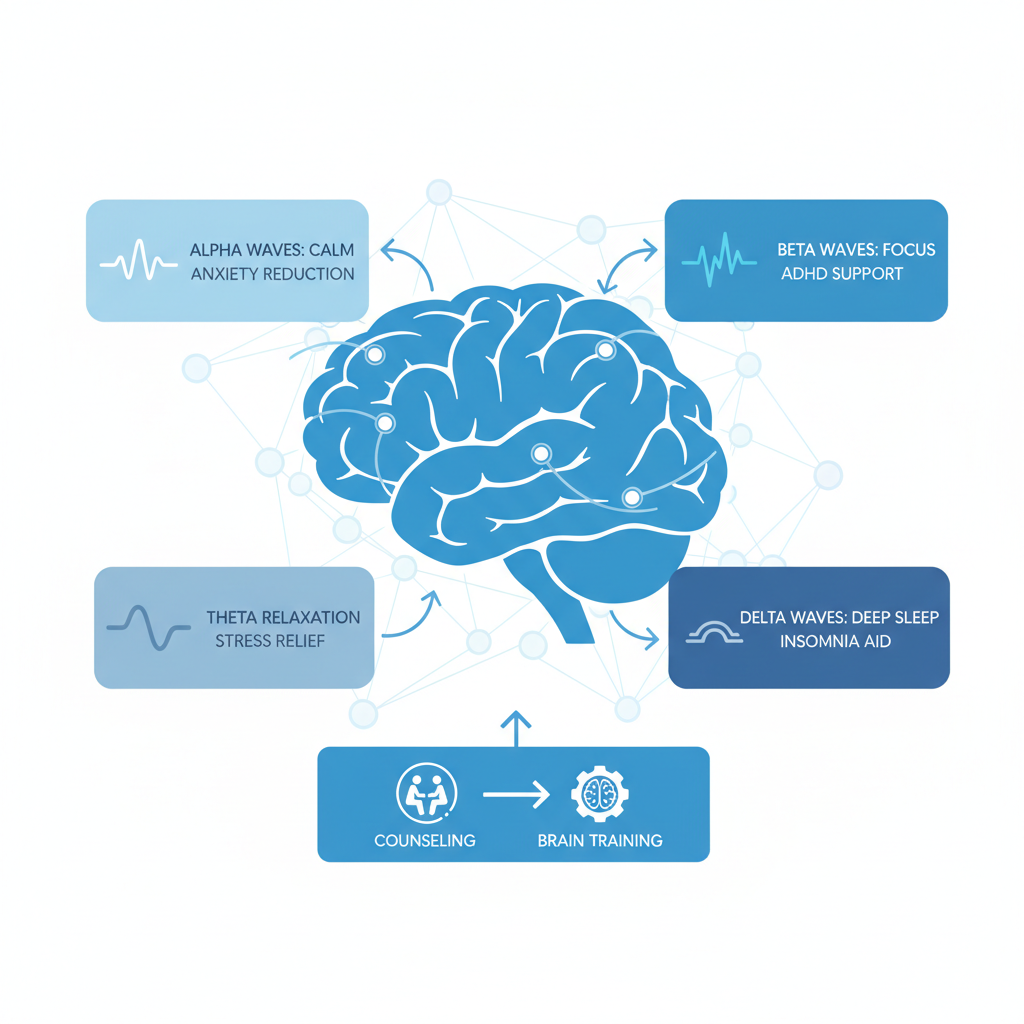
Educational overview of neurofeedback therapy basics and brainwave integration
This visual representation highlights how EEG feedback demystifies brain training, showing its potential for personal growth.
Applications for Common Conditions
Neurofeedback shows promise in supporting conditions like ADHD, anxiety, and trauma by targeting specific brainwave imbalances. For ADHD, protocols focus on enhancing beta waves for better attention while reducing theta activity that contributes to distractibility. Sessions might involve games that reward sustained focus, helping children and adults build concentration skills over 20-40 visits.
In anxiety treatment, the emphasis shifts to calming excessive beta waves, promoting alpha states for relaxation. Evidence-based practices draw from protocols that reduce overactive worry circuits, offering a non-medication option to ease daily stress. For trauma and PTSD, neurofeedback aids emotional regulation by stabilizing irregular patterns, supporting recovery without re-traumatizing experiences.
When considering neurofeedback for ADHD, options like these provide tailored ADHD neurotherapy options that complement lifestyle changes. Real-world outcomes often include improved mood and productivity, as noted in professional guidelines, though individual results vary.
Integrating with Counseling Services
Combining neurofeedback with counseling creates a holistic approach to mental health, addressing both brain function and emotional processing. At clinics like Butterfield in Utah, neurofeedback counseling integrates EEG-guided sessions with psychotherapy, led by board-certified professionals. This synergy enhances outcomes for issues like anxiety and trauma, where talk therapy unpacks experiences while neurofeedback rewires responses.
The Biofeedback Certification International Alliance outlines standards for certified practitioners, ensuring supervised, ethical care–vital for safe integration. In Riverdale and Logan locations, or via telehealth across Utah, this paired method reduces medication reliance and supports long-term resilience. Butterfield’s team, including licensed counselors, tailors plans to your needs, emphasizing we’re here to help with free initial consultations.
By blending these services, you gain comprehensive support, turning brain training into practical wellness tools without overpromising results.
Key Benefits of Neurofeedback Treatment
Neurofeedback therapy offers a promising, non-medication approach to addressing mental health challenges like ADHD, anxiety, trauma, and addictions. By training the brain to regulate its own activity, this method can lead to meaningful improvements in daily functioning. At providers like Butterfield Counseling and Neurofeedback, sessions integrate with counseling for personalized support, available through telehealth for Utah residents. Many clients experience enhanced well-being without relying solely on pharmaceuticals, fostering hope for better emotional balance.
Improvements in Focus and Attention
Neurofeedback for ADHD targets brainwave patterns to enhance concentration and reduce impulsivity, helping individuals manage symptoms more effectively. This trauma informed neurofeedback approach, when combined with counseling, supports long-term gains in executive function. For those searching for neurofeedback near me in Utah, local options like Butterfield’s clinics in Riverdale and Logan provide accessible sessions.
Evidence from studies, including meta-analyses reviewed in neuroregulation research, shows neurofeedback can yield results comparable to stimulant medications but with fewer side effects and sustained benefits. It promotes self-regulation, addressing the core deficits in ADHD that affect academic and social settings.
Key benefits include:
- Improved attention span during tasks, allowing better focus on work or school.
- Reduced hyperactivity and impulsivity, leading to fewer disruptions in daily life.
- Enhanced executive functions, such as planning and organization, for ADHD brain training gains.
- Benefits of local neurotherapy, like telehealth in Utah, making consistent sessions easier.
Many clients report feeling more in control, with outcomes supported by evidence rather than guarantees.
Reducing Anxiety and Emotional Reactivity
Neurofeedback calms overactive neural patterns associated with anxiety, promoting a more balanced emotional state. By guiding the brain toward optimal activity, it may help reduce reactivity to stressors, integrating well with psychotherapy for comprehensive care. In Utah, neurofeedback in Utah settings like Butterfield emphasizes this gentle, non-invasive method.
Research highlights how neurofeedback supports anxiety management by normalizing brainwave activity, leading to decreased worry and improved resilience. This is particularly useful for those dealing with chronic stress or trauma-related responses, without the need for immediate medication.
Key benefits include:
- Lowered overall anxiety levels, fostering a sense of calm in challenging situations.
- Better emotional regulation, helping to process feelings without overwhelm.
- Reduced physical symptoms like tension or rapid heartbeat tied to reactivity.
- Supportive integration with counseling, enhancing holistic mental health outcomes.
Clients often describe a newfound stability, encouraging steps toward lasting well-being.
Support for Addiction and PTSD Recovery
For addiction and PTSD, neurofeedback aids emotional regulation by retraining brain responses to triggers, supporting recovery without curative promises. It focuses on impulse control and trauma processing, complementing evidence-based therapies at places like Butterfield.
Studies indicate neurofeedback’s role in strengthening neural pathways for self-control, beneficial for addictions and post-trauma care. This approach, backed by scientific insights, helps individuals rebuild resilience through targeted sessions.
Key benefits include:
- Improved impulse control, reducing cravings and reactive behaviors in addictions.
- Enhanced processing of trauma memories, easing PTSD symptoms like flashbacks.
- Greater emotional stability, building confidence in recovery journeys.
- Combined with telehealth options in Utah, ensuring ongoing access for sustained progress.
With a focus on hope, many find this method empowers their path to recovery, now accepting new clients ready to explore these possibilities.
How Neurofeedback Sessions Function
Neurofeedback therapy offers a non-invasive way to retrain brain patterns, helping clients manage conditions like ADHD, anxiety, and trauma. At Utah clinics such as Butterfield Counseling and Neurofeedback, sessions blend cutting-edge technology with supportive care to promote lasting well-being. We’re here to help demystify the process, making it accessible for those exploring options in the area.
The Session Process Step by Step
A typical neurofeedback session unfolds in a calm, comfortable setting, often lasting 30 to 45 minutes. It begins with an initial assessment where a board-certified therapist reviews your history and goals, using tools like quantitative EEG (qEEG) to map brain activity. This step ensures the protocol aligns with your needs, whether in-person at our Riverdale or Logan locations or via telehealth for clients across Utah.
Next, the therapist prepares the equipment by gently placing electrodes on your scalp–usually 2 to 19 sensors connected to an amplifier and computer software. These non-invasive sensors detect real-time brainwave patterns without any discomfort or electrical current. As the session starts, you’ll engage in session-based brain retraining through audio or visual feedback, such as watching a video that pauses when your brainwaves stray from the target. Over time, your brain learns to self-regulate, much like exercising a muscle.
For those hunting for happiness book insights into personal growth, this process mirrors the reflective practices Zack Butterfield shares. Sessions typically occur 1 to 2 times weekly, with many clients noticing subtle shifts after 20 to 40 visits. If you’re searching for hunting for happiness book, it complements this journey beautifully. Safety is paramount; the International Society for Neuroregulation & Research (ISNR) outlines procedural standards confirming it’s suitable for children and adults, with rare mild side effects like temporary fatigue.
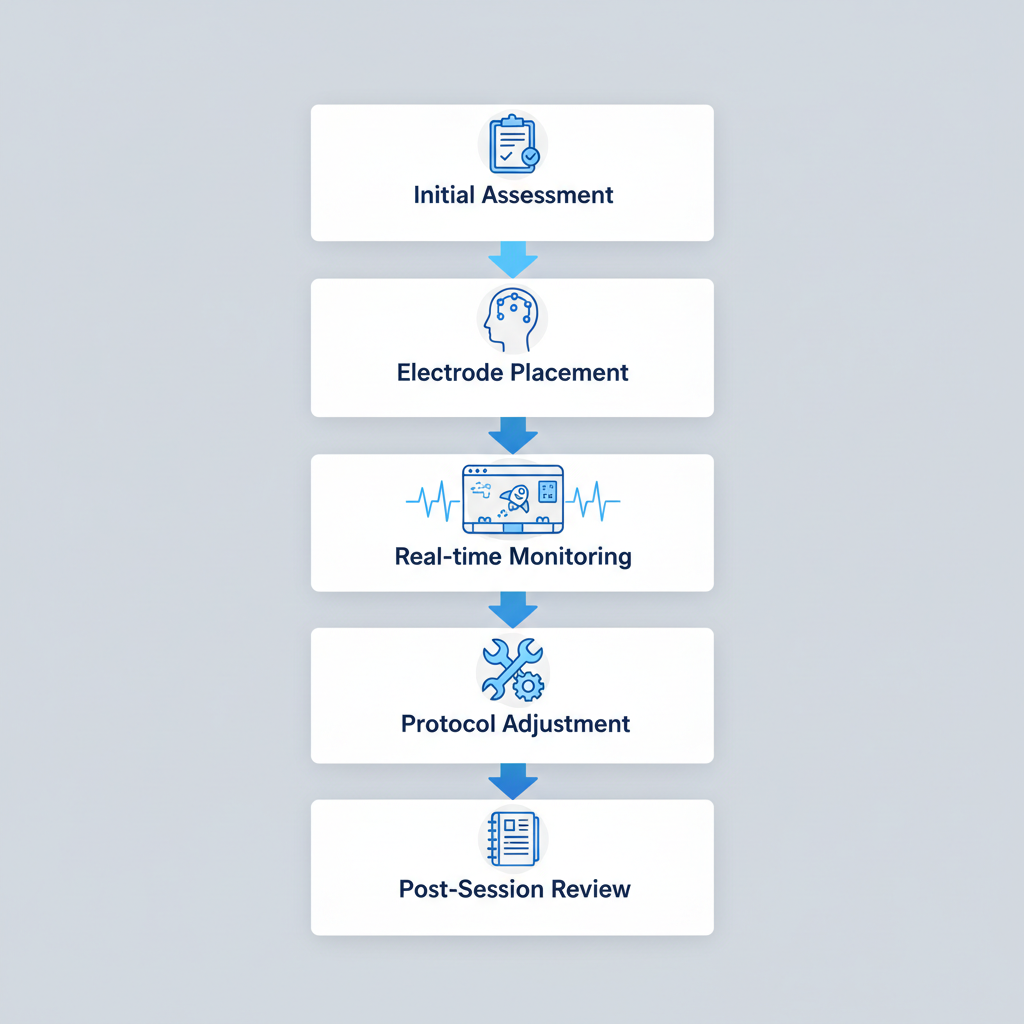
Step-by-step outline of a typical neurofeedback session process
This structured approach builds confidence, especially for families seeking neurofeedback near me in Utah. Now accepting new clients, we tailor each step to foster progress without overwhelming newcomers.
Tailoring Protocols to Individual Needs
Personalization lies at the heart of effective neurofeedback, starting with your unique brain map from the initial assessment. Therapists adjust protocols based on EEG data, targeting specific frequencies–for instance, enhancing beta waves for focus in neurofeedback for ADHD or calming theta waves for anxiety. In Utah practices, this means customizing for local clients dealing with trauma or PTSD, drawing from ISNR updates on evidence-based applications that show promising results in symptom reduction.
For children with ADHD, protocols might involve playful feedback games to keep engagement high, while adults with anxiety could use serene visual cues. Neurofeedback in Utah often incorporates telehealth for flexibility, allowing adjustments without travel. A supportive goal is complementing traditional approaches to potentially lessen medication reliance, though always in consultation with your provider. Clients often find this individualized path reassuring, as it addresses root patterns rather than surface symptoms.
Estimates suggest 20 to 40 sessions for noticeable changes in PTSD or trauma, varying by response. Personalized neurotherapy in the area emphasizes ongoing monitoring, with therapists fine-tuning based on progress reports. This client-centered method, backed by ISNR’s protocol insights for ADHD and trauma, empowers you to take an active role in your brain’s healing.
Combining with Psychotherapy Approaches
Integrating neurofeedback with psychotherapy amplifies outcomes, creating a holistic framework for mental health. At Butterfield, licensed counselors pair brain retraining with evidence-based therapies like cognitive behavioral techniques, addressing emotional reactivity alongside neurological shifts. For addictions or sensory processing issues, this duo helps build resilience from multiple angles, reducing overwhelm for adolescents and adults alike.
In Utah-based practices, sessions might alternate neurofeedback with talk therapy, exploring trauma narratives while reinforcing calmer brain states. ISNR highlights how such combinations enhance self-regulation, with procedural standards ensuring ethical, supervised care. Telehealth options make this accessible statewide, blending virtual counseling with remote feedback for busy schedules.
Clients often report deeper insights when these approaches converge, fostering emotional tools for daily life. We’re here to help navigate this integration, offering free initial phone consultations to discuss fit. Alternative treatments to traditional psychiatry, like this, support long-term strategies without sole reliance on meds, always prioritizing your comfort and goals.
Best Practices for Effective Neurofeedback
Implementing neurofeedback therapy effectively requires thoughtful preparation and ongoing attention to detail. These best practices focus on selecting the right professionals, readying yourself for sessions, and tracking your journey, especially when seeking services in Utah. By following these guidelines, you can enhance the potential benefits for conditions like ADHD or anxiety, integrating it with counseling for a holistic approach.
Choosing a Qualified Provider
When searching for neurofeedback therapists team, prioritize those with proper credentials to ensure safe and effective care. Look for board-certified professionals through organizations like the Biofeedback Certification International Alliance (BCIA), as this certification signifies rigorous training in neurofeedback techniques. In Utah, consider clinics offering “neurofeedback near me in Utah” options, such as those in Riverdale or Logan, where local expertise can address your needs conveniently.
Here are key steps to select a reliable provider:
- Verify BCIA certification and years of experience, particularly with your specific condition, like anxiety or ADHD.
- Inquire about initial assessments and free phone consultations to discuss your goals.
- Ask about session costs, typically $100-200 each, and insurance coverage, including telehealth for areas like Ogden.
- Ensure the practice combines neurofeedback with counseling, as this integrated approach often yields better outcomes.
The International Society for Neuroregulation & Research emphasizes working with certified experts to maintain high standards. Practices in Utah, like those providing “neurofeedback in Utah,” offer effective local therapy practices tailored to community needs. This careful selection helps build trust and supports your therapy success.
Preparing for Your Sessions
Getting ready for neurofeedback sessions sets the stage for optimal results. Expect a comfortable, non-invasive process where sensors monitor brainwaves, providing real-time feedback through games or visuals to train self-regulation. Sessions usually last 30-45 minutes, with no discomfort involved.
To maximize benefits, follow these preparation tips:
- Wear comfortable, loose-fitting clothing and avoid caffeine or heavy meals beforehand to stay relaxed.
- Get a good night’s rest prior to your appointment, as fatigue can influence brain activity readings.
- Arrive a few minutes early to discuss any recent changes in symptoms with your therapist.
- If using telehealth, ensure a quiet space with reliable internet for seamless remote sessions from locations like Logan.
Resources from professional societies highlight the importance of a calm mindset entering each visit. For those exploring “neurofeedback in Utah,” local clinics often provide guidance on what to bring, fostering a supportive environment. These steps help you engage fully and notice improvements sooner.
Monitoring Progress and Adjustments
Tracking your neurofeedback journey is essential for refining the treatment. Many notice subtle shifts in focus or stress levels after several sessions, but consistent monitoring ensures protocols evolve with your needs. For instance, “neurofeedback for ADHD” can target attention patterns, potentially reducing reliance on medication when paired with therapy.
Effective ways to monitor include:
- Keep a symptom journal noting daily mood, concentration, and sleep changes to share with your provider.
- Participate in regular assessments, like QEEG scans, to measure brainwave improvements objectively.
- Discuss adjustments, such as tweaking protocols for better ADHD treatment optimization or anxiety relief.
- Review progress every 10-15 sessions, incorporating feedback from combined counseling.
Guidelines from neurofeedback associations stress evaluating outcomes collaboratively. In Utah settings, therapists adapt plans based on your feedback, enhancing personalization. This ongoing process empowers you to achieve meaningful gains without overpromising results–consider it a partnership in your well-being.
Starting Your Neurofeedback Journey
As you’ve explored throughout this guide, neurofeedback therapy offers a promising, non-pharmacological approach to supporting mental health challenges like ADHD, anxiety, and trauma. If you’re searching for neurofeedback near me in Utah, understanding its benefits–such as improved focus, reduced anxiety symptoms, and better emotional regulation–can empower your local brain health path. Research highlights neurofeedback’s potential for long-term benefits, particularly for neurofeedback for ADHD, with studies showing sustained improvements in attention and self-regulation without the side effects of medications.
In Utah, accessing these Utah mental wellness options is straightforward through Butterfield Counseling and Neurofeedback’s clinics in Riverdale and Logan, plus convenient telehealth services statewide. Our board-certified therapists integrate neurofeedback with clinical counseling, including trauma informed care services, to create personalized plans. Free initial consultations help address your questions on typical session numbers–often 20 to 40, depending on individual needs–and costs, with many insurance options available to explore.
Ready to take the next step? Reach out today for an assessment and discover how neurofeedback in Utah can support your well-being. We’re here to help, now accepting new clients, embracing the brain’s remarkable plasticity for lasting positive change.
Resources
Ste 200 Riverdale
Ut
84405