Trauma Therapy in Utah: Healing the Brain and the Story Behind It
Trauma doesn’t always look the way people expect. Sometimes it’s a single event you can point to. Sometimes it’s years of experiences that built up slowly and quietly. Either way, the effects are real: hypervigilance, nightmares, emotional numbness, difficulty trusting people, feeling unsafe in situations that should be fine. You may have tried to push through it, talk yourself out of it, or simply avoid anything that brings it back. And none of that has made it go away.
At Butterfield Counseling & Neurofeedback, we treat trauma and PTSD by combining clinical counseling with neurofeedback therapy. This approach lets us work on both the emotional and psychological layers of trauma and the neurological patterns that keep the brain stuck in survival mode.
We see clients at our offices in Riverdale and Logan, and through telehealth across Utah.
Why Trauma Gets Stuck in the Brain
When you experience something traumatic, the brain’s threat-detection system (centered around the amygdala) goes into overdrive. In the moment, that response is designed to protect you. The problem is that for many people, the brain never fully comes out of that heightened state. Long after the danger has passed, the nervous system keeps responding as if the threat is still present.
This is why trauma survivors can be triggered by sounds, smells, places, or even certain tones of voice. The rational part of the brain knows there’s no danger, but the deeper survival circuitry hasn’t gotten the message. This disconnect is measurable in brainwave activity, and it’s exactly what neurofeedback is designed to address.

How Neurofeedback Helps With Trauma and PTSD
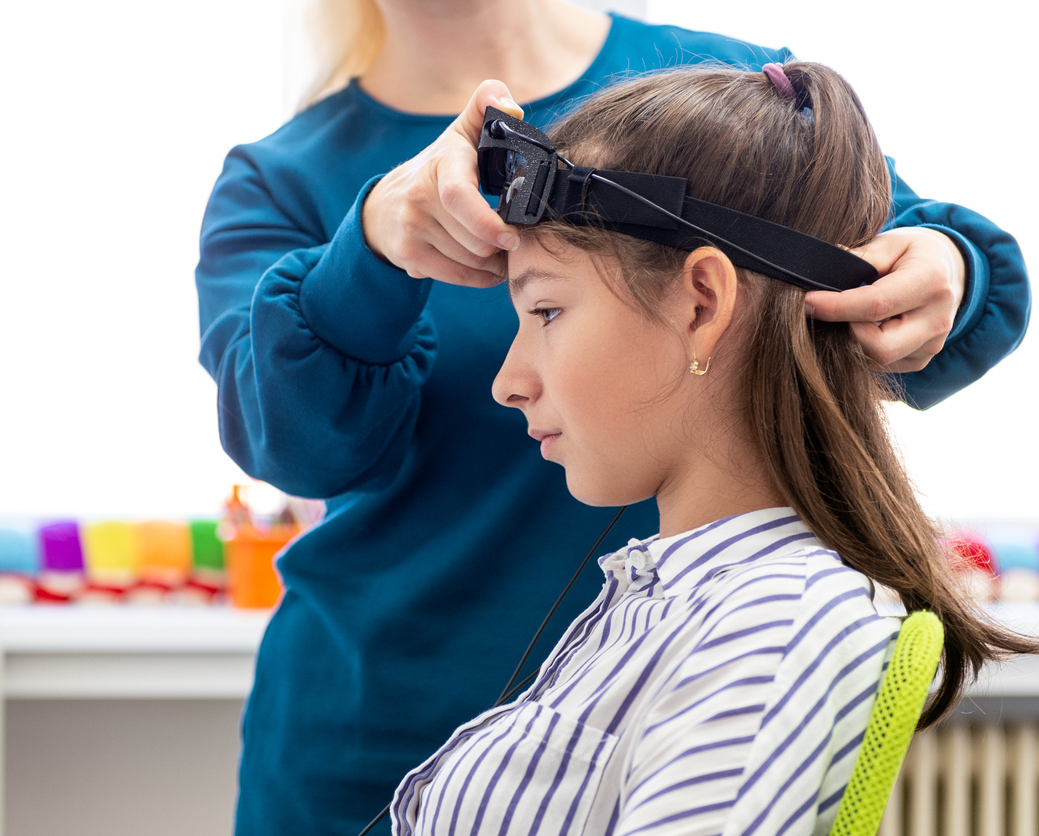
Neurofeedback therapy uses sensors placed on the scalp to read brainwave activity in real time. Nothing is sent into the brain. During a session, you watch a screen or listen to audio that responds to your brain’s patterns. When the brain produces calmer, more regulated activity, the feedback responds positively. When it drifts toward the overactivated patterns associated with PTSD, the feedback shifts.
Over a series of sessions, typically 30 to 40, the brain learns to regulate itself more effectively. For trauma clients, this often means a reduction in hypervigilance, fewer intrusive thoughts, improved sleep, and a greater capacity to engage in therapy without becoming overwhelmed. Neurofeedback helps calm the nervous system enough that the deeper therapeutic work can actually take hold.
What Trauma Treatment Looks Like at Butterfield C&N
Every new client starts with a free 15-minute phone consultation. We’ll never pressure you to share details you’re not ready to talk about. That first call is simply about understanding your situation and determining if we’re the right fit.
From there, treatment typically includes:
Brain assessment. We map your brainwave activity to identify where the dysregulation is happening. This allows us to build a neurofeedback protocol targeted to your specific patterns rather than using a generic approach.
Neurofeedback sessions. Sessions are just under an hour,, one to two times per week. You sit comfortably with sensors on your scalp and watch a screen. There’s no pain, no medication, and no requirement to talk about your trauma during neurofeedback. The process works at the neurological level.
Trauma-focused counseling. Our therapists are trained in multiple evidence-based modalities for trauma, including Cognitive Behavioral Therapy (CBT), Lifespan Integration, Internal Family Systems (IFS), Emotionally Focused Therapy (EFT), and Schema Therapy. We match the therapeutic approach to what works best for each individual client.
Progress tracking. Brainwave patterns are reassessed regularly so we can see objective changes over time and adjust the treatment plan as needed.


We Work With All Types of Trauma
Trauma takes many forms, and we work with clients across the spectrum:
- Single-incident trauma (accidents, assaults, natural disasters, sudden loss)
- Complex or developmental trauma (childhood abuse, neglect, growing up in an unstable or unsafe environment)
- Combat-related PTSD and military trauma
- First-responder trauma
- Relational trauma (domestic violence, betrayal, toxic relationships)
- Medical trauma
You don’t need a formal PTSD diagnosis to work with us. If past experiences are affecting how you function today, that’s reason enough to reach out.
Trauma Rarely Exists Alone
Many of our trauma clients are also dealing with anxiety, depression, addiction, or ADHD. These conditions frequently overlap with trauma, and treating one without addressing the others often leads to incomplete results. Our holistic approach allows us to work on multiple conditions simultaneously through the combination of neurofeedback and comprehensive counseling.
Our Team
Several members of our clinical team specialize in trauma and PTSD, with advanced training in trauma-focused modalities and neurofeedback. The practice is led by Zack Butterfield (CMHC, BCN), and our team includes clinicians experienced in working with complex trauma across age groups. Learn more on our about page.
We serve clients in Ogden, Layton, Riverdale, Logan, and communities throughout northern Utah. Telehealth is available statewide.
Insurance and Accessibility
We accept most major insurance plans in Utah including Aetna, BCBS, Cigna, DMBA, Select Health, Tricare, UHC, PEHP, and others. See our full insurance list for details. Telehealth is available for anyone in Utah who can’t come to our offices in person.
Frequently Asked Questions
Can neurofeedback help with PTSD?
Yes. Neurofeedback targets the brainwave patterns that keep the nervous system stuck in a hyperactivated state after trauma. By training the brain to regulate itself, neurofeedback can reduce hypervigilance, intrusive thoughts, sleep disruption, and emotional reactivity. When combined with counseling, it creates a more effective treatment than either approach alone.
Do I have to talk about my trauma during neurofeedback?
No. Neurofeedback works at the neurological level, not the narrative level. During sessions, you simply watch a screen while sensors read your brainwave activity. The counseling portion of treatment is where we process the emotional and psychological aspects of trauma, and even there, you’ll never be pushed to share more than you’re ready for.
How long does trauma treatment take?
This varies by person and the nature of the trauma. A typical course of neurofeedback is 30 to 40 sessions. Many clients begin to feel calmer and more grounded within 10 to 15 sessions. Counseling continues alongside neurofeedback and is adjusted based on your progress and goals.
What’s the difference between trauma and PTSD?
Trauma refers to the experience itself, while PTSD (Post-Traumatic Stress Disorder) is a specific clinical diagnosis describing a set of symptoms that persist after the traumatic event. Not everyone who experiences trauma develops PTSD, but you don’t need a PTSD diagnosis to benefit from trauma therapy. If past experiences are affecting your daily life, treatment can help.
Do you accept insurance for trauma therapy?
Yes. We accept most major insurance plans in Utah. Contact us to verify your specific coverage.
Take the First Step Toward Healing
If you’ve been looking for a trauma therapist near you who treats more than just the surface symptoms, we’d like to hear from you. Call 385-330-2818 or schedule a free 15-minute consultation to talk about your situation and how we can help.
References
National Institute of Mental Health (NIMH). Post-Traumatic Stress Disorder overview. https://www.nimh.nih.gov/health/topics/post-traumatic-stress-disorder-ptsd