
Depression Therapy in Utah
When Talk Therapy and Medication Aren't Enough on Their Own
You’ve probably been told the standard advice: talk to someone, consider medication, exercise more, fix your sleep. And maybe you’ve tried some or all of those things. Maybe the medication took the edge off but left you feeling flat. Maybe therapy helped you understand where the depression comes from, but understanding it hasn’t made it go away. Maybe you’re just starting to look for help and want to know what your options actually are.
At Butterfield Counseling & Neurofeedback, we treat depression by combining clinical counseling with neurofeedback therapy, a non-invasive, brain-based treatment that targets the neurological patterns behind depressive symptoms. It’s not a replacement for everything else. It’s the piece that’s usually missing.
We see clients at our offices in Riverdale and Logan, and through telehealth anywhere in Utah.
Depression Is a Brain Pattern, Not a Character Flaw
One of the most frustrating parts of living with depression is hearing people suggest you should be able to snap out of it. Just think positive. Just get up and do something. If it were that simple, you would have done it already.
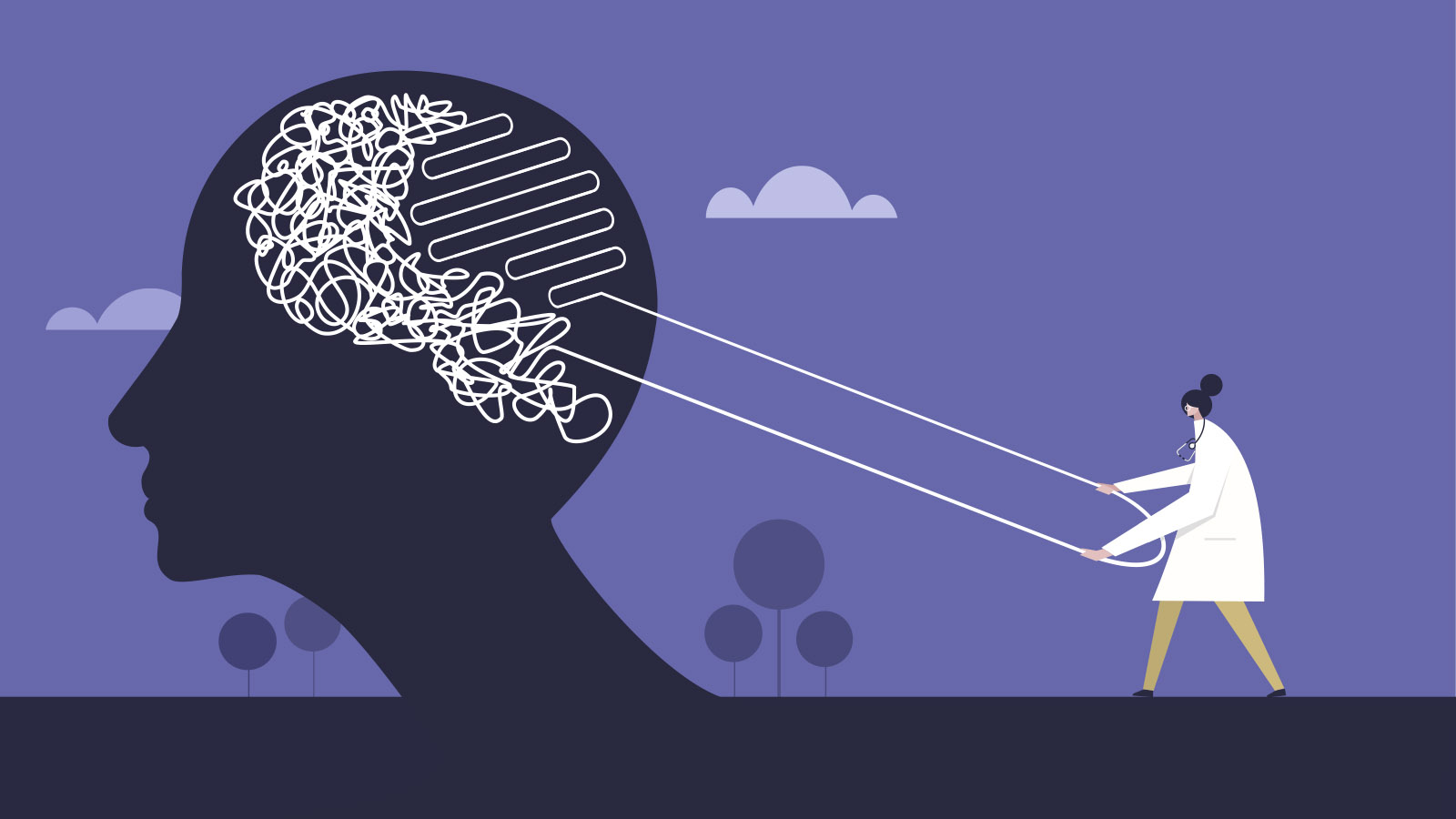
Depression involves measurable changes in brain activity. Research consistently shows that people with depression tend to have imbalanced activity between the left and right frontal lobes. The left frontal lobe, which is associated with positive emotion and motivation, is often under-active. The right side, associated with withdrawal and negative emotion, is often over-active. This imbalance affects mood, energy, motivation, sleep, concentration, and the ability to feel pleasure in things that used to matter to you.
This is why treating depression only at the thought and behavior level can feel incomplete. Cognitive strategies are valuable, but they’re working against a brain that’s stuck in a pattern. Neurofeedback helps shift that pattern directly.
How Neurofeedback Treats Depression
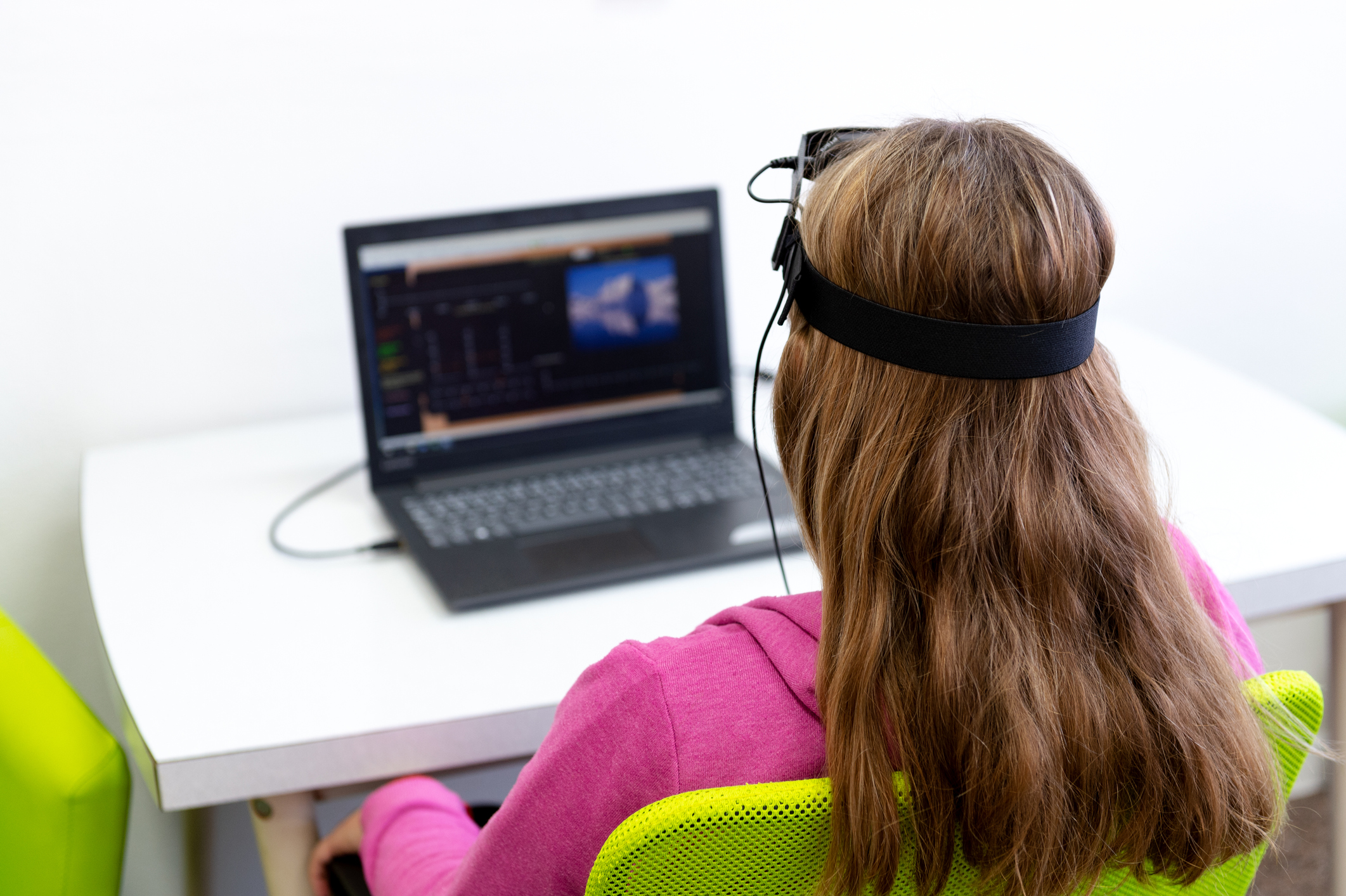
Neurofeedback therapy uses sensors placed on the scalp to measure brainwave activity in real time. Nothing is sent into the brain. The sensors only read electrical signals. During a session, you watch a screen or listen to audio that responds to your brain’s activity. When your brain produces more balanced, regulated patterns, the feedback responds positively. When it drifts toward the imbalanced patterns associated with depression, the feedback changes.
Over repeated sessions, typically 30 to 40, the brain begins to adopt the healthier patterns on its own. For depression, this often means increased left-frontal activity, which translates to improved mood, more energy, better sleep, and a return of motivation and interest in daily life.
The changes from neurofeedback tend to be lasting because you’re training the brain to operate differently, not temporarily altering its chemistry. Many clients notice improvements within 10 to 15 sessions, with more stable changes developing over the full course of treatment.
What Depression Treatment Looks Like at Butterfield C&N
Depression rarely shows up alone. Many of our clients are also dealing with anxiety, trauma or PTSD, ADHD, or addiction. When these conditions overlap, they amplify each other. Anxiety makes depression worse. Unresolved trauma makes both worse. Untreated ADHD leads to chronic frustration and low self-worth, which fuels depression.
Because our holistic approach combines neurofeedback with comprehensive counseling, we can address multiple conditions at the same time instead of treating them in silos. This is especially helpful for clients who’ve bounced between providers and never felt like anyone was looking at the full picture.
Signs It Might Be Time to Try Something Different
Depression doesn’t always announce itself clearly. Sometimes it looks like:
- Persistent low energy or fatigue that sleep doesn’t fix
- Loss of interest in things you used to enjoy
- Difficulty concentrating, making decisions, or getting started on tasks
- Feelings of numbness, emptiness, or emotional flatness
- Withdrawing from people or activities
- Irritability or a short fuse that feels out of proportion
- A sense that you’re going through the motions without actually being present
If several of those describe your experience, it’s worth having a conversation about what’s going on. You don’t need a formal diagnosis to call us.


Our Team
Our clinicians have direct experience working with depression across age groups and severity levels. The practice is led by Zack Butterfield (CMHC, BCN), and our clinical team includes multiple therapists trained in both neurofeedback and advanced counseling modalities. Several team members hold Board Certification in Neurofeedback (BCN). You can learn more about each clinician on our about page.
We serve clients in Ogden, Layton, Riverdale, Logan, and surrounding communities in northern Utah. For anyone farther away, telehealth is available statewide.
Insurance and Accessibility
We accept most major insurance plans in Utah including Aetna, BCBS, Cigna, DMBA, Select Health, Tricare, UHC, PEHP, and others. Visit our insurance information for the full list. We also offer telehealth therapy for clients across Utah who can’t come to one of our offices in person.
Frequently Asked Questions
Can neurofeedback help with depression?
Yes. Neurofeedback addresses the brainwave imbalances that contribute to depression, particularly the under-activity in the left frontal lobe associated with low mood and motivation. By training the brain to produce more balanced patterns, neurofeedback can reduce depressive symptoms in a way that persists after treatment ends.
How is this different from just doing therapy?
Traditional therapy works on your thoughts, behaviors, and coping skills. Neurofeedback works on the brain patterns underneath those thoughts and behaviors, and we also focus on holistic health and lifestyle habits that are often contributing factors. When you combine both, you’re addressing depression from two directions at once. Many clients who’ve done therapy before find that adding neurofeedback makes the therapeutic work more effective because the brain is better regulated and more receptive.
How long does it take to see improvement?
Most clients start noticing shifts within 10 to 15 neurofeedback sessions, things like improved sleep, slightly better energy, or more emotional stability. Lasting, consistent change typically develops over the full 30 to 40 session course. Everyone’s brain responds at its own pace, and we track progress with objective brainwave data.
Do I need to stop my medication to do neurofeedback?
No. Neurofeedback can be done alongside medication. Some clients find that as their brain becomes better regulated through neurofeedback, they’re able to work with their prescriber to adjust their medication over time. We never make medication decisions. That’s between you and your prescribing provider.
What if I’m not sure it’s depression?
That’s completely fine. Our free 15-minute phone consultation is designed for exactly this situation. You can describe what you’re experiencing, and we’ll give you an honest assessment of whether our approach makes sense for you. You don’t need a diagnosis to call.
You Don't Have to Keep Feeling This Way
If you’ve been looking for a depression therapist in Utah who goes beyond surface-level treatment, we’d like to hear from you. Call 385-330-2818 or schedule a free 15-minute consultation to talk about what you’re going through and what your options are.