Anxiety Therapy in Utah: Treating the Brain, Not Just the Symptoms
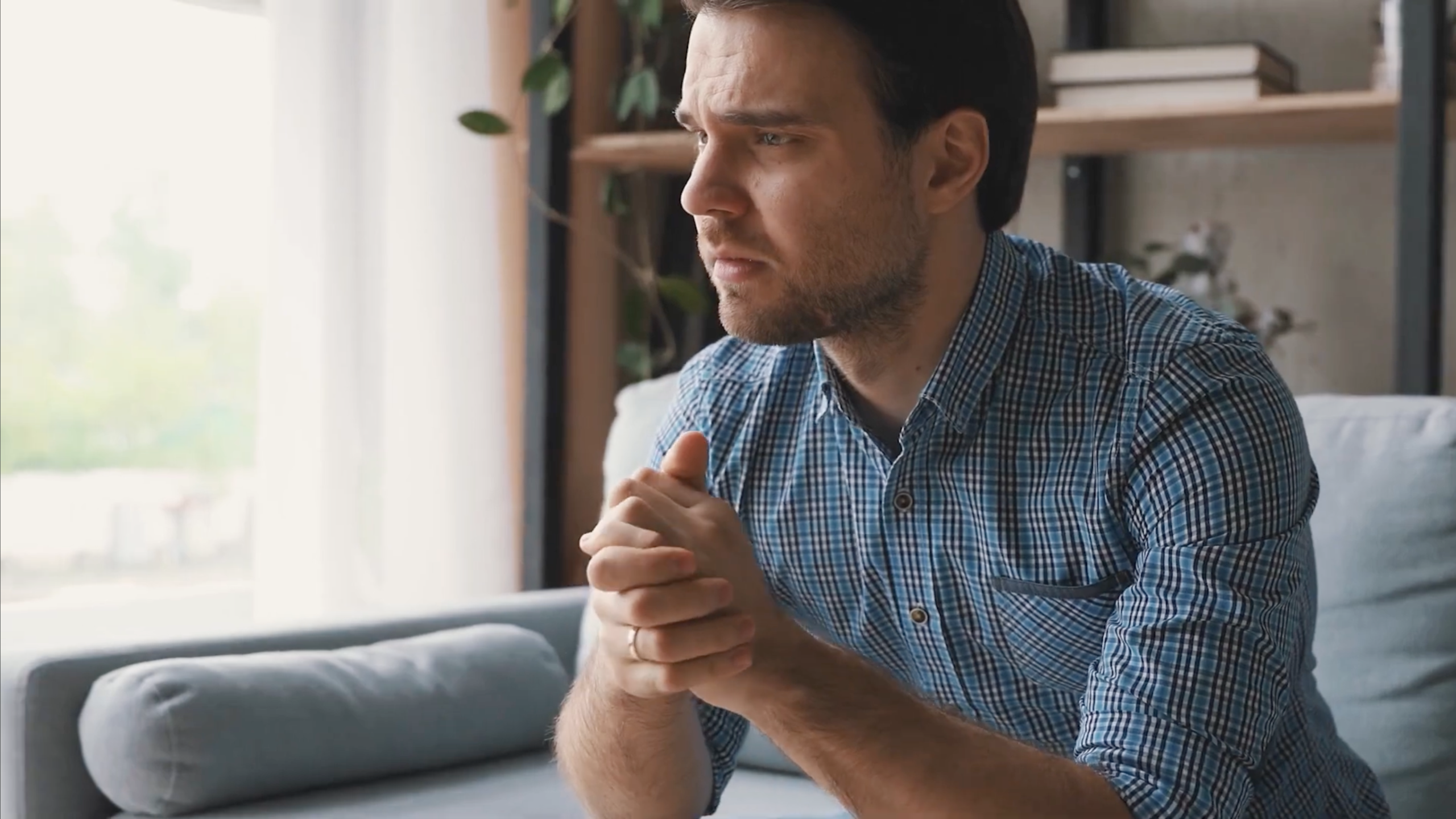
Anxiety doesn’t always look like a panic attack. Sometimes it’s the racing thoughts that start the moment you wake up. The tightness in your chest before a meeting. The way you replay conversations for hours, convinced you said something wrong. The constant what-ifs that make it impossible to relax, even when nothing is actually wrong.
If that sounds like your daily experience, you’re not imagining it, and you’re not weak. Your brain is stuck in a pattern of overreaction, and with the right help, that pattern can change.
At Butterfield Counseling & Neurofeedback, we combine traditional therapy with neurofeedback to treat anxiety at a level most therapy practices never reach: the brain itself. We work with adolescents and adults at our offices in Riverdale and Logan, and through telehealth across Utah.
Why Traditional Anxiety Treatment Only Gets You Halfway
Talk therapy helps. Medication helps. We’re not going to pretend otherwise. But if you’ve been in therapy before, you may have noticed something frustrating: you understand your anxiety, you can name your triggers, you’ve learned the coping skills, and yet the anxious feelings still show up with the same intensity.
That’s because anxiety isn’t only a thinking problem. It’s a brain regulation problem. The frontal lobe, which handles rational thought and emotional control, can become under-active or dysregulated. When that happens, the brain’s threat-detection system (the amygdala) runs unchecked, flooding your body with stress hormones in response to situations that aren’t actually dangerous.
Coping skills can help you manage the response after it starts. Neurofeedback helps the brain stop overreacting in the first place.
How Neurofeedback Treats Anxiety
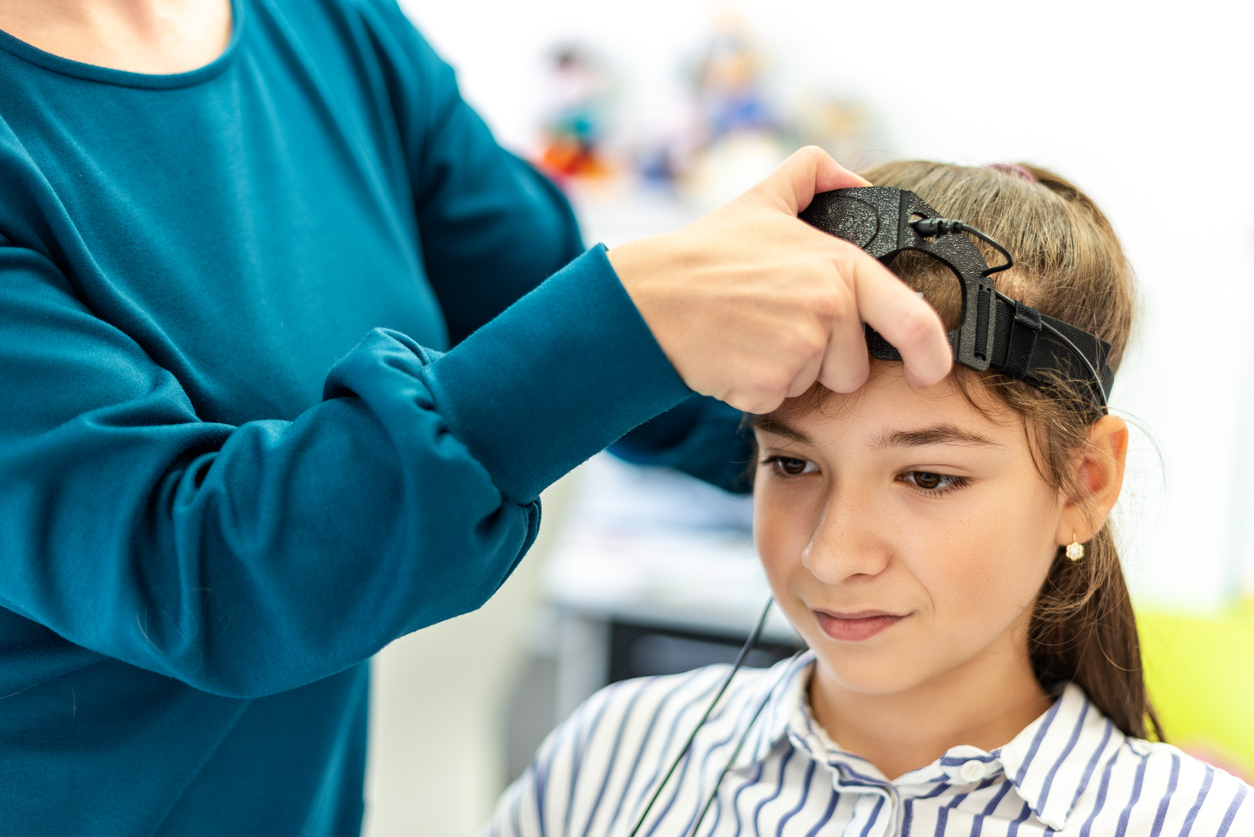
Neurofeedback therapy measures your brainwave activity in real time using sensors placed on the scalp. It’s completely non-invasive, nothing is sent into the brain. The sensors only read electrical activity.
During a session, you watch a screen or listen to audio that responds to your brainwaves. When your brain produces balanced, regulated wave patterns, the media plays normally. When it drifts into the anxious, overactive patterns, the feedback pauses or changes. Over time, your brain starts to recognize what regulated activity feels like and produces it more consistently on its own.
For anxiety specifically, neurofeedback works by encouraging frontal lobe regulation. This helps the brain respond to stress proportionally instead of defaulting to the alarm-bell response that defines clinical anxiety.
Most clients need 30 to 40 sessions to see lasting change, though many report noticing improvements within the first 10 to 15 sessions. And unlike medication, the changes from neurofeedback tend to stick because you’re retraining the brain, not temporarily altering its chemistry.
What Anxiety Treatment Looks Like at Our Practice
We don’t believe in one-size-fits-all treatment. When you come to Butterfield C&N for anxiety, here’s what to expect:
A real conversation first. Every new client starts with a free 15-minute phone consultation. We want to hear what you’re dealing with and give you an honest assessment of whether our approach makes sense for your situation.
Brain mapping. We assess your brainwave activity to identify the specific patterns driving your anxiety. This tells us exactly where the dysregulation is happening and lets us build a targeted treatment plan rather than guessing.
Neurofeedback sessions. Sessions run 30 to 45 minutes, typically one to two times per week. Clients describe them as relaxing. You sit in a chair, sensors on your scalp, and watch a screen. There’s no pain and no medication involved.
Therapy alongside neurofeedback. Our clinicians are trained in multiple evidence-based approaches including Cognitive Behavioral Therapy (CBT), Acceptance and Commitment Therapy (ACT), Dialectical Behavior Therapy (DBT), and Internal Family Systems (IFS). While neurofeedback works on the brain’s wiring, therapy works on the thoughts, behaviors, and relational patterns that keep anxiety going.
Ongoing assessment. We don’t just trust that it’s working. We measure it. Regular brainwave assessments track your progress and guide adjustments to your treatment plan.
A Holistic Approach to Anxiety That Treats the Whole Person
One of the reasons clients choose our practice is that we don’t treat anxiety like an isolated symptom to suppress. Anxiety is connected to how your brain processes stress, how your nervous system responds to the world, and how past experiences have shaped those responses.
Our clinicians bring advanced training in neurobiology and the brain-body connection into every session. That means we’re looking at the full picture: sleep, stress patterns, trauma history, physical health, and relational dynamics. Everything that contributes to how anxious you feel on a given day.
This holistic therapy approach is especially effective for people who have tried more conventional treatment without getting lasting relief. If you’ve done therapy before and felt like something was missing, this might be the missing piece.

Anxiety Doesn't Always Look Like Anxiety

Many people who come to us don’t initially identify what they’re experiencing as anxiety. They come in saying they’re stressed, overwhelmed, irritable, or exhausted. They describe trouble sleeping, difficulty concentrating, and a general sense of dread they can’t shake.
Others have been told they “just worry too much” and have spent years trying to think their way out of it. The truth is, you can’t think your way out of a brain regulation problem any more than you can think your way out of a broken arm.
Anxiety can also show up alongside other conditions. Many of our clients dealing with anxiety also experience symptoms of ADHD, trauma and PTSD, depression, or addiction. When conditions overlap, our integrated approach allows us to address multiple issues simultaneously.
Who We Work With
We treat anxiety in adolescents and adults. Our team includes multiple clinicians with specialized training in anxiety, trauma, and neurofeedback. Several hold Board Certification in Neurofeedback (BCN), and all operate under the supervision of our founder, Zack Butterfield (CMHC, BCN).
We serve clients from across northern Utah, including Ogden, Layton, Riverdale, Logan, and surrounding communities. If you’re searching for an anxiety therapist in Ogden, Utah, or anywhere in the state, we can see you in person or via telehealth.
Insurance and Getting Started
We accept most major insurance plans in Utah including Aetna, BCBS, Cigna, DMBA, Select Health, Tricare, UHC, PEHP, and others. Check our full list of accepted insurances for details.
Frequently Asked Questions
Can neurofeedback really help with anxiety?
Yes. Neurofeedback helps the brain develop better self-regulation, which directly addresses the neurological patterns behind anxiety. Multiple studies have demonstrated reductions in anxiety symptoms following neurofeedback training, and the improvements tend to persist because the brain has learned a new way of operating.
How is this different from regular therapy for anxiety?
Traditional therapy gives you tools to manage anxious thoughts and behaviors. Neurofeedback works on the brain patterns that generate the anxiety in the first place. At our practice, we combine both, so you’re addressing anxiety from the cognitive, emotional, and neurological angles at the same time.
Is neurofeedback safe?
Very. Neurofeedback is non-invasive and the sensors only read brain activity. Nothing is sent into the brain. When administered by a board-certified practitioner, side effects are rare and typically mild (occasional headache or fatigue after a session). Our clinicians are trained to monitor for any response and adjust treatment accordingly.
How long before I’ll notice a difference?
Many clients report feeling calmer and more focused within 10 to 15 sessions. Lasting, stable change typically takes 30 to 40 sessions. Everyone responds at their own pace, and we track progress with objective brainwave measurements so you can see the change, not just feel it.
Do I need a diagnosis to start treatment?
No. You don’t need a formal anxiety diagnosis to schedule a consultation. If anxiety is affecting your daily life, that’s reason enough to reach out.
Ready to Get Started?
Living with anxiety doesn’t have to be your normal. If you’ve been looking for an anxiety therapist near you who treats more than just the surface symptoms, call 385-330-2818 or schedule your free 15-minute consultation today.