Addiction Therapy in Utah
Treating the Brain Patterns Behind Addictive Behavior
Recovery from addiction is rarely a straight line. You may have already tried treatment programs, support groups, or willpower alone, and found that the pull keeps coming back. That doesn’t mean you’ve failed. It usually means the underlying brain patterns driving the behavior haven’t been addressed yet.
At Butterfield Counseling & Neurofeedback, we work with people who are ready to try a different approach. Our practice combines clinical counseling with neurofeedback therapy to target the brainwave patterns linked to addictive behavior, helping clients build self-regulation skills that support long-term recovery.
We see clients at our offices in Riverdale and Logan, and through telehealth across the state of Utah.
Why Addiction Is a Brain Problem, Not Just a Willpower Problem
Most people understand that addiction changes behavior. What’s less widely understood is that addiction also changes the brain. Repeated substance use or compulsive behavior rewires the brain’s reward system, weakening the prefrontal cortex (responsible for decision-making and impulse control) while strengthening the circuits that drive craving and compulsive action.
This is why telling someone to “just stop” doesn’t work. The brain has literally been restructured to prioritize the addictive behavior. Traditional talk therapy can help a person understand their patterns and build coping skills, but if the neurological imbalance isn’t addressed, the cravings and impulse-control problems often persist.
That’s where neurofeedback comes in.
How Neurofeedback Therapy Helps With Addiction
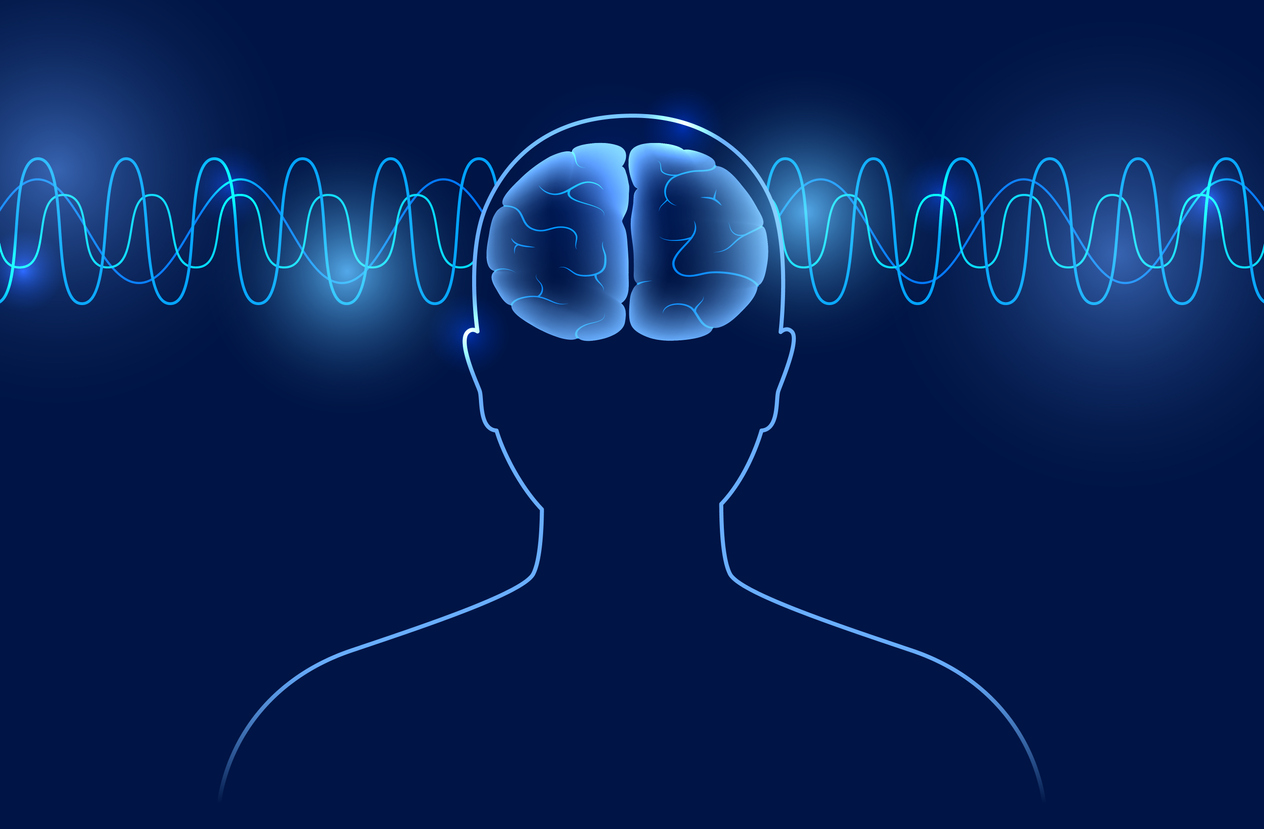
Neurofeedback therapy measures brainwave activity in real time using sensors placed on the scalp. It’s completely non-invasive. Nothing is sent into the brain. The sensors read electrical activity and provide feedback through visual and audio cues. When the brain produces healthier, more regulated patterns, the feedback responds positively. When it drifts toward the dysregulated patterns associated with addiction, the feedback changes. Learn more about how this works on our neurofeedback therapy page.
For addiction specifically, neurofeedback targets the brainwave imbalances that fuel cravings, impulsivity, and emotional dysregulation. Over a series of sessions (typically 30 to 40), the brain learns to self-regulate more effectively. Clients often report reduced cravings, better emotional control, improved sleep, and a greater ability to pause before reacting.
This isn’t a replacement for counseling or community support. It’s an additional layer of treatment that addresses what’s happening at the neurological level, something most traditional recovery programs don’t touch.
What Addiction Treatment Looks Like at Butterfield C&N

We know that reaching out for help with addiction takes real courage. We try to make the process as straightforward as possible. Every new client starts with a free 15-minute phone consultation so we can hear your story and help you figure out if our approach is the right fit.
From there, a typical treatment plan includes:
Brain assessment. We map your brainwave activity to identify the specific patterns contributing to addictive behavior. This gives us a data-driven starting point for treatment rather than a one-size-fits-all protocol.
Neurofeedback sessions. Sessions run 30 to 45 minutes, one to two times per week. You sit in a comfortable chair with sensors on your scalp and watch a screen. There’s no pain and no medication. Over time, your brain learns to produce healthier patterns on its own.
Individual counseling. Our therapists work alongside the neurofeedback process using evidence-based methods including Cognitive Behavioral Therapy (CBT), Dialectical Behavior Therapy (DBT), and Acceptance and Commitment Therapy (ACT). These sessions address the emotional, behavioral, and relational factors that contribute to addiction.
Ongoing measurement. We reassess brainwave patterns regularly so progress is tracked objectively, not just by how you feel on a given day.
We Treat the Whole Person, Not Just the Addiction
Addiction rarely exists in isolation. Many of our clients are also dealing with anxiety, depression, trauma or PTSD, or ADHD. When these conditions go untreated, they act as fuel for addictive behavior. Substance use often starts as self-medication for pain, stress, or emotional overwhelm that a person doesn’t have another way to manage.
Our holistic approach allows us to treat co-occurring conditions at the same time. Neurofeedback can address multiple brainwave imbalances simultaneously, and our clinicians are trained to work with the full picture of a client’s mental health, not just the addictive behavior on the surface.

Types of Addiction We Work With
Our practice works with a range of addictive behaviors, including:
- Alcohol use
- Substance use (opioids, stimulants, cannabis, and others)
- Pornography and sexual addiction
- Video game and screen compulsion
- Other compulsive behaviors that interfere with daily functioning
Several members of our clinical team have direct experience working with addiction, including therapists trained in neurofeedback, couples therapy, and adolescent behavioral issues. You can read more about our team on our about page.
A Note on What We Are and What We’re Not
We want to be upfront: Butterfield Counseling & Neurofeedback is an outpatient therapy practice. We are not a detox facility, inpatient rehabilitation center, or medication-assisted treatment (MAT) provider. If you need medical detox or 24-hour supervised care, we can help point you toward those resources.
What we offer is ongoing therapeutic support for people who are working toward recovery or maintaining it. For many clients, our combination of counseling and neurofeedback fills a gap that other treatment programs leave open, particularly when it comes to addressing the neurological side of addiction.
Insurance and Getting Started
We accept most major insurance plans in Utah including Aetna, BCBS, Cigna, DMBA, Select Health, Tricare, UHC, PEHP, and others. See our full insurance list for details.
We also offer telehealth therapy for clients anywhere in Utah who can’t make it to our Riverdale or Logan offices.
Frequently Asked Questions
Can neurofeedback help with addiction?
Yes. Neurofeedback targets the brainwave patterns associated with craving, impulsivity, and poor emotional regulation, all of which play a role in addictive behavior. By training the brain to self-regulate more effectively, neurofeedback can reduce the neurological pull that makes addiction so difficult to overcome through willpower or talk therapy alone.
How long does addiction treatment take?
There’s no single answer because everyone’s situation is different. A typical course of neurofeedback is 30 to 40 sessions. Many clients begin noticing changes in craving intensity and emotional control within the first 10 to 15 sessions. Counseling continues alongside neurofeedback and can be adjusted based on your progress.
Do you treat both substance and behavioral addictions?
Yes. We work with clients dealing with substance use (alcohol, drugs) as well as behavioral addictions like pornography, video game compulsion, and other patterns that interfere with daily life. The neurofeedback approach works on the same brain systems regardless of the specific addiction.
Is this a replacement for rehab or a 12-step program?
Not necessarily. For some clients, our services complement what they’re already doing in recovery. For others, our approach is their primary treatment. We’re happy to discuss how our services fit alongside other support you may be receiving.
Do you accept insurance for addiction treatment?
Yes. We accept most major insurance plans in Utah. Contact us to verify your coverage before your first appointment.
Ready to Try a Different Approach?
If traditional approaches to addiction haven’t given you the lasting results you’re looking for, it may be time to address what’s happening at the brain level.
Call 385-330-2818 or schedule a free 15-minute consultation to talk with our team about how Butterfield Counseling & Neurofeedback can support your recovery.