Conversion Disorder Treatment in Utah: Addressing What's Happening in the Brain
If you or someone you love has been diagnosed with conversion disorder, also called functional neurological symptom disorder, the experience can be deeply confusing. The symptoms are real. The tremors, the seizure-like episodes, the sudden weakness or loss of sensation. But test after test comes back normal, and nobody seems to have a clear answer for what’s causing it or how to fix it.
At Butterfield Counseling & Neurofeedback, we specialize in working with conversion disorder. Our founder, Zack Butterfield (CMHC, BCN), has direct clinical experience with this condition, and our practice combines neurofeedback therapy with clinical counseling to address the brain-body communication breakdown at the heart of conversion disorder.
We see clients at our offices in Riverdale and Logan, and through telehealth across Utah.
If your child has been diagnosed with autism or sensory processing difficulties, you’ve probably spent a lot of time researching options. Occupational therapy, speech therapy, behavioral interventions, medication, specialized schooling. Some of these may have helped. Some may not have. And through all of it, you may still feel like something is missing from the treatment picture.
At Butterfield Counseling & Neurofeedback, we offer a brain-based approach to autism and sensory processing challenges through the combination of neurofeedback therapy and clinical counseling. Our goal is to help the brain develop better self-regulation, which can improve emotional control, sensory processing, social functioning, and daily life.
We work with children, adolescents, and adults at our offices in Riverdale and Logan, and through telehealth across Utah.
What Is Conversion Disorder?
Conversion disorder occurs when psychological stress or emotional distress manifests as physical neurological symptoms. The term “conversion” refers to the idea that emotional distress is being “converted” into physical symptoms. The brain isn’t sending the right signals to parts of the body, but there’s no structural damage, no lesion, no nerve injury to explain it.
Common symptoms include:
- Tremors, jerky movements, or tics
- Seizure-like episodes (non-epileptic events)
- Weakness or paralysis in a limb
- Numbness or loss of sensation
- Difficulty swallowing or speaking
- Vision changes or blindness without an identifiable cause
These symptoms can be intermittent or persistent, mild or debilitating. What they all share is a disruption in the normal communication between the brain and the body, which is exactly why a brain-based treatment approach makes sense.
These aren’t behavioral choices. They’re neurological patterns. The brain is processing sensory information differently, and that affects everything from how a child handles a noisy classroom to how an adult manages a crowded grocery store. When the brain’s sensory circuits are dysregulated, even routine environments can become overwhelming.
Neurofeedback works directly with these neurological patterns, helping the brain learn to process sensory input more effectively over time.

Why Neurofeedback Is a Strong Fit for Conversion Disorder
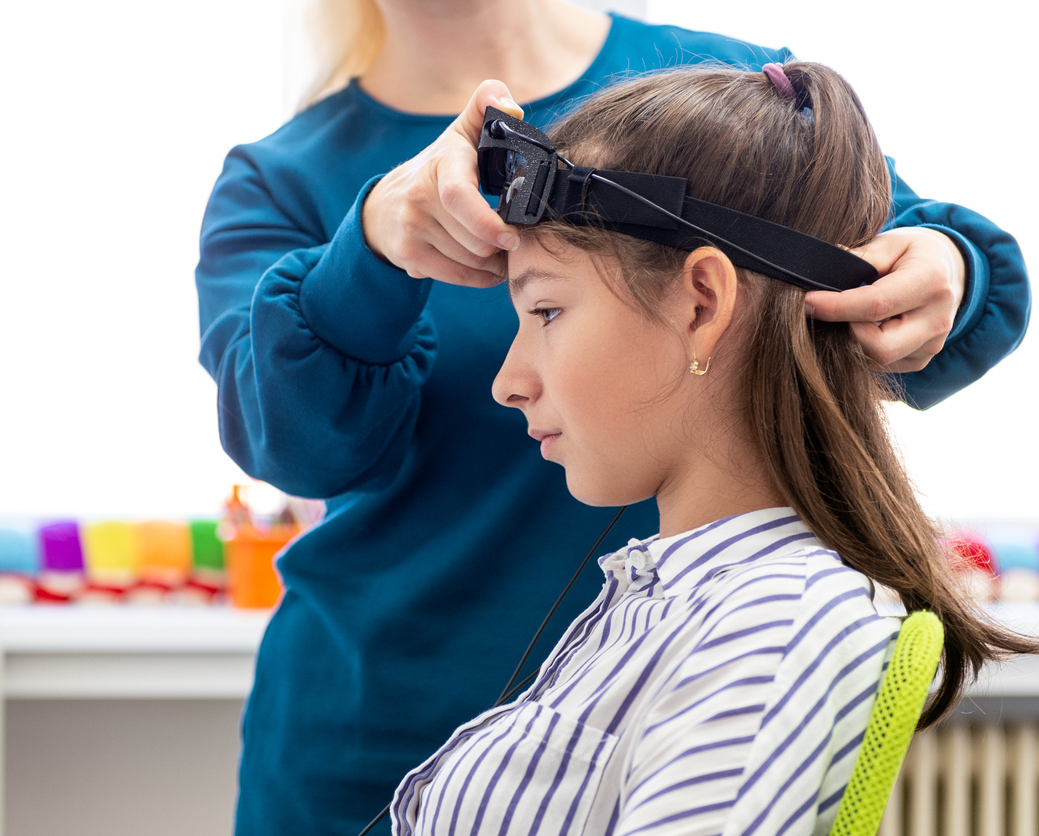
Because conversion disorder involves abnormal brain-body signaling rather than structural damage, treatments that target brain function directly have a logical advantage. Neurofeedback therapy measures brainwave activity in real time and provides feedback that helps the brain learn to regulate itself more effectively.
For conversion disorder, neurofeedback can help by addressing the dysregulated brainwave patterns that underlie the faulty signaling. While the exact mechanism varies by patient, the goal is consistent: help the brain restore normal communication pathways so that symptoms reduce in frequency and intensity.
This approach is especially valuable for clients who have been told their symptoms are “all in their head” or who have been dismissed by providers who couldn’t find a structural cause. Neurofeedback treats conversion disorder as the real, brain-based condition it is.
What Treatment Looks Like at Butterfield C&N
We begin with a free 15-minute phone consultation to hear about your symptoms and history. Conversion disorder can be an isolating experience, and we want you to feel heard from the first conversation.
From there, treatment typically includes:
Brain assessment. We map your brainwave activity to identify dysregulated patterns. For conversion disorder, this is particularly valuable because it gives us objective data on what’s happening neurologically, even when standard medical tests show nothing.
Neurofeedback sessions. Sessions are just under an hour, one to two times per week. Sensors on the scalp read your brain activity (nothing is sent into the brain), and you watch a screen that provides real-time feedback. Over time, the brain learns to produce healthier communication patterns.
Counseling. Because conversion disorder is linked to psychological stress and emotional processing, counseling plays a critical role. Our therapists work with you to identify and process the emotional factors contributing to the condition, using approaches including Cognitive Behavioral Therapy (CBT), Internal Family Systems (IFS), Lifespan Integration, and other trauma-informed modalities.
Coordinated care. We understand that conversion disorder often involves a medical team. We’re happy to communicate with your neurologist, primary care provider, or other specialists to ensure coordinated treatment.


The Connection Between Conversion Disorder and Trauma
Conversion disorder frequently has roots in trauma or chronic stress, even when the connection isn’t immediately obvious. The brain’s response to overwhelming emotional experiences can, in some people, express itself through physical symptoms rather than emotional ones. This doesn’t mean the symptoms are imaginary. It means the brain has found an alternative pathway for processing distress.
Our team has experience working with both conversion disorder and its common co-occurring conditions, including anxiety, depression, and PTSD. Addressing these together through our holistic approach leads to better outcomes than treating any one condition in isolation.
Our Experience With Conversion Disorder
Conversion disorder is a condition that many mental health practices don’t have experience treating. At Butterfield C&N, it’s one of the specific areas our founder works with directly. This matters because the therapeutic approach needs to be informed by an understanding of how the brain and body interact in conversion disorder, not just general mental health knowledge. Learn more about our team on our about page.
Insurance and Accessibility
We accept most major insurance plans in Utah including Aetna, BCBS, Cigna, DMBA, Select Health, Tricare, UHC, PEHP, and others. See our full insurance list for details. Telehealth is available statewide for counseling sessions.
Frequently Asked Questions
What causes conversion disorder?
The exact cause isn’t fully understood, but it’s believed to involve a complex interaction between psychological stress, emotional regulation, and brain function. Trauma, chronic stress, and emotional suppression are common contributing factors. The brain essentially converts emotional distress into physical neurological symptoms.
Can neurofeedback help with conversion disorder?
Yes. Because conversion disorder involves disrupted brain-body communication, neurofeedback’s ability to train brainwave regulation makes it a logical treatment approach. By helping the brain restore healthier patterns of activity, neurofeedback can reduce the frequency and intensity of functional neurological symptoms.
How long does treatment take?
Treatment duration varies based on the severity and complexity of symptoms. A typical course of neurofeedback is 30 to 40 sessions. Many clients notice changes within 10 to 15 sessions. Counseling continues alongside neurofeedback and is adjusted based on progress.
Will my neurologist need to be involved?
We welcome coordination with your medical providers. Conversion disorder often involves both neurological and psychological components, and communication between your care team helps ensure a cohesive treatment approach.
Do you accept insurance?
Yes. We accept most major insurance plans in Utah. Contact us to verify your specific coverage.
You Deserve to Be Heard
If you’ve been dealing with conversion disorder symptoms and feel like no one has taken them seriously or offered a real path forward, we want to change that. Call 385-330-2818 or schedule a free 15-minute consultation to talk about what you’re experiencing and how we can help.
References
National Institute of Neurological Disorders and Stroke. Functional Neurological Disorder. https://www.ninds.nih.gov/