
OCD Treatment in Utah: Breaking the Cycle With Brain-Based Therapy
If you’re living with OCD, you already know it’s not about being neat or organized. It’s the thought that won’t leave. The ritual you know doesn’t make sense but can’t stop doing. The constant cycle of anxiety, temporary relief, and then more anxiety. You might have been managing it for years without anyone around you understanding what it actually costs you on a daily basis.
At Butterfield Counseling & Neurofeedback, we treat OCD by combining evidence-based counseling with neurofeedback therapy. This allows us to address both the behavioral patterns of OCD and the underlying brain activity that drives them.
We see clients at our offices in Riverdale and Logan, and through telehealth across Utah.
The Brain Side of OCD
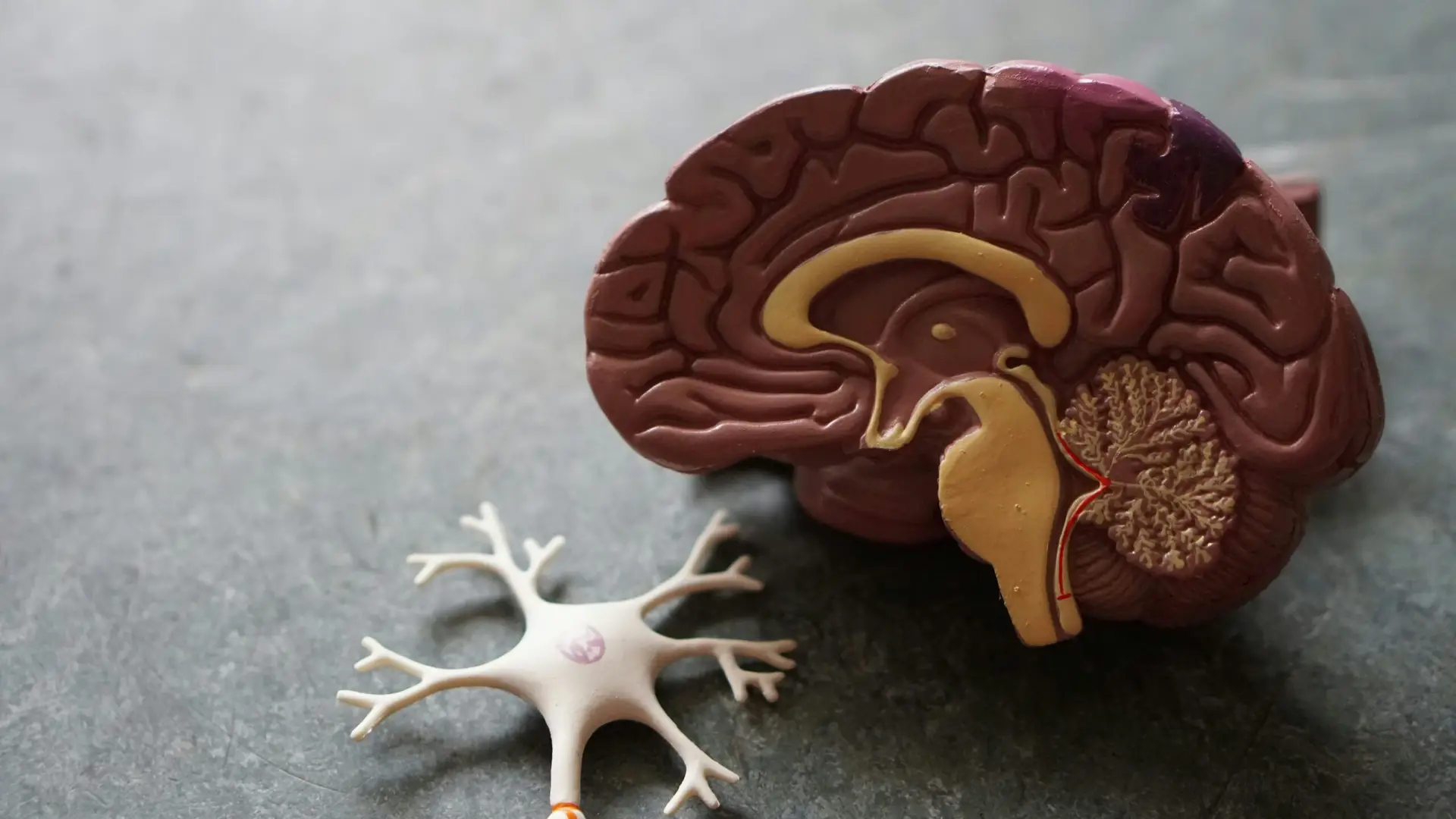
OCD involves specific patterns of brain activity. Research has shown that people with OCD tend to have overactivity in the orbitofrontal cortex and anterior cingulate cortex, areas involved in error detection and threat monitoring. There are also studies on the link between inflammation and OCD. Essentially, the brain’s alarm system fires too frequently and too intensely, creating a persistent sense that something is wrong even when it isn’t.
This is why logic alone doesn’t stop OCD. You can know that checking the stove a seventh time won’t change anything, and still feel compelled to do it. The rational brain understands the thought is irrational, but the deeper circuits keep sending the alarm signal. Addressing this at the brain level is what makes neurofeedback a valuable addition to traditional OCD therapy.
How Neurofeedback Works for OCD

Neurofeedback therapy uses sensors on the scalp to monitor brainwave activity in real time. Nothing is sent into the brain. During a session, you watch a screen or listen to audio that responds to your brain’s patterns. When the brain produces more balanced activity, the feedback responds positively. When it shifts toward the overactive patterns associated with OCD, the feedback changes.
Over 30 to 40 sessions, the brain begins to produce calmer, more regulated patterns on its own. For OCD clients, this often means a reduction in the intensity and frequency of obsessive thoughts, a decreased urge to perform compulsions, and a greater ability to sit with discomfort without acting on it. That last point is especially important, because it directly supports the therapeutic work done in counseling.
What OCD Treatment Looks Like at Butterfield C&N
We start with a free 15-minute phone consultation to understand your experience and help you decide if our approach is the right fit.
A typical treatment plan includes:
Brain mapping. We assess your brainwave activity to identify the patterns driving your OCD symptoms. This gives us a targeted starting point for neurofeedback rather than a one-size-fits-all protocol.
Neurofeedback sessions. Sessions are just under an hour, one to two times per week. There’s no pain, no medication, and most clients describe the process as calm and uneventful.
Counseling. Our therapists use evidence-based approaches for OCD, including Cognitive Behavioral Therapy (CBT), Acceptance and Commitment Therapy (ACT), and Dialectical Behavior Therapy (DBT). CBT for OCD often includes Exposure and Response Prevention (ERP), which helps clients gradually face the situations that trigger obsessions while learning to resist the compulsive response. Neurofeedback makes this process more effective by reducing the intensity of the brain’s alarm signal.
Progress tracking. We reassess brainwave patterns regularly so improvement is measured objectively, not just by self-report.


OCD Shows Up in More Ways Than People Realize
OCD isn’t limited to handwashing and checking locks. Common presentations include:
- Contamination fears and excessive cleaning or avoidance
- Checking behaviors (doors, stoves, locks, messages)
- Intrusive violent or sexual thoughts that cause intense distress
- Symmetry and ordering compulsions
- Harm OCD (fear of harming yourself or others)
- Relationship OCD (constant doubt about your partner or relationship)
- Religious or moral scrupulosity
- “Pure O” presentations where compulsions are mostly mental (ruminating, reassurance-seeking, mental reviewing)
If any of these sound familiar, you’re not alone, and treatment can help.
OCD Often Overlaps With Other Conditions
Many people with OCD also experience inflammation, anxiety, depression, ADHD, or trauma. When these co-occur, they reinforce each other. Our holistic approach allows us to treat the full picture rather than isolating one condition at a time.
Insurance and Accessibility
We accept most major insurance plans in Utah including Aetna, BCBS, Cigna, DMBA, Select Health, Tricare, UHC, PEHP, and others. See our full insurance list for details. Telehealth is available statewide.
Frequently Asked Questions
Can neurofeedback help with OCD?
Yes. Neurofeedback addresses the overactive brain circuits that drive obsessive thoughts and compulsive urges. By training the brain toward more balanced activity, neurofeedback can reduce the intensity of OCD symptoms and make therapeutic techniques like ERP more effective.
How is this different from regular OCD therapy?
Traditional OCD therapy (typically CBT with ERP) works on the behavioral response to obsessions. Neurofeedback works on the brain activity generating those obsessions in the first place. Combining both means you’re addressing OCD from the behavioral and neurological sides simultaneously.
How long does OCD treatment take?
A typical course of neurofeedback is 30 to 40 sessions. Many clients notice a reduction in symptom intensity within 10 to 15 sessions. Counseling runs alongside neurofeedback and is adjusted based on your progress.
Do I need a diagnosis to start treatment?
No. If obsessive thoughts or compulsive behaviors are affecting your life, that’s enough to start a conversation. Our free phone consultation is designed to help you figure out if our approach makes sense for your situation.
Ready to Break the Cycle?
If OCD has been running the show and the approaches you’ve tried haven’t given you lasting relief, we’d like to talk. Call 385-330-2818 or schedule a free 15-minute consultation to find out if Butterfield Counseling & Neurofeedback is the right fit.
References
International OCD Foundation. https://iocdf.org/