Neurofeedback Therapy & Holistic Counseling Services in Utah
What we Do
At Butterfield Counseling & Neurofeedback, trauma-informed care is at the heart of what we do. Our therapists specialize in trauma and understand how past experiences can continue to affect daily life. Additionally, our clinicians are trained to care for anxiety, depression, autism, ADHD, PTSD, life transitions, and marriage counseling needs. Treatment is collaborative and personalized, drawing from approaches such as Cognitive Behavioral Therapy (CBT), Acceptance and Commitment Therapy (ACT), Dialectical Behavior Therapy (DBT), Emotionally Focused Therapy (EFT), Schema Therapy, Internal Family Systems (IFS), and Lifespan Integration.
Strong relationships can still experience seasons of conflict, disconnection, or stress. At Butterfield Counseling & Neurofeedback, we help couples and families improve communication, rebuild trust, and strengthen emotional connection through compassionate, structured therapy. Our clinicians address underlying relationship patterns often shaped by attachment, trauma, and life transitions, using approaches such as Emotionally Focused Therapy (EFT) and trauma-informed family systems work. Whether navigating relationship challenges, parenting stress, or major life changes, we provide a supportive space to reconnect and move forward together.
Our clinicians bring an advanced understanding of the brain–body connection into every aspect of care. With enhanced training in neurobiology, nervous system regulation, and holistic mental health practices, we recognize that emotional wellbeing is deeply connected to how the brain and body respond to stress, trauma, and daily demands. By integrating mind-body awareness and evidence-based therapeutic techniques, we help clients build regulation, resilience, and long-term healing. We not only support symptom relief, but whole-person wellness.
What is Neurofeedback Therapy? How does it work?
Neurofeedback therapy is a non-invasive, proven effective treatment option for many mental health or neurological conditions, including those that have been resistant to treatment or medication in the past.
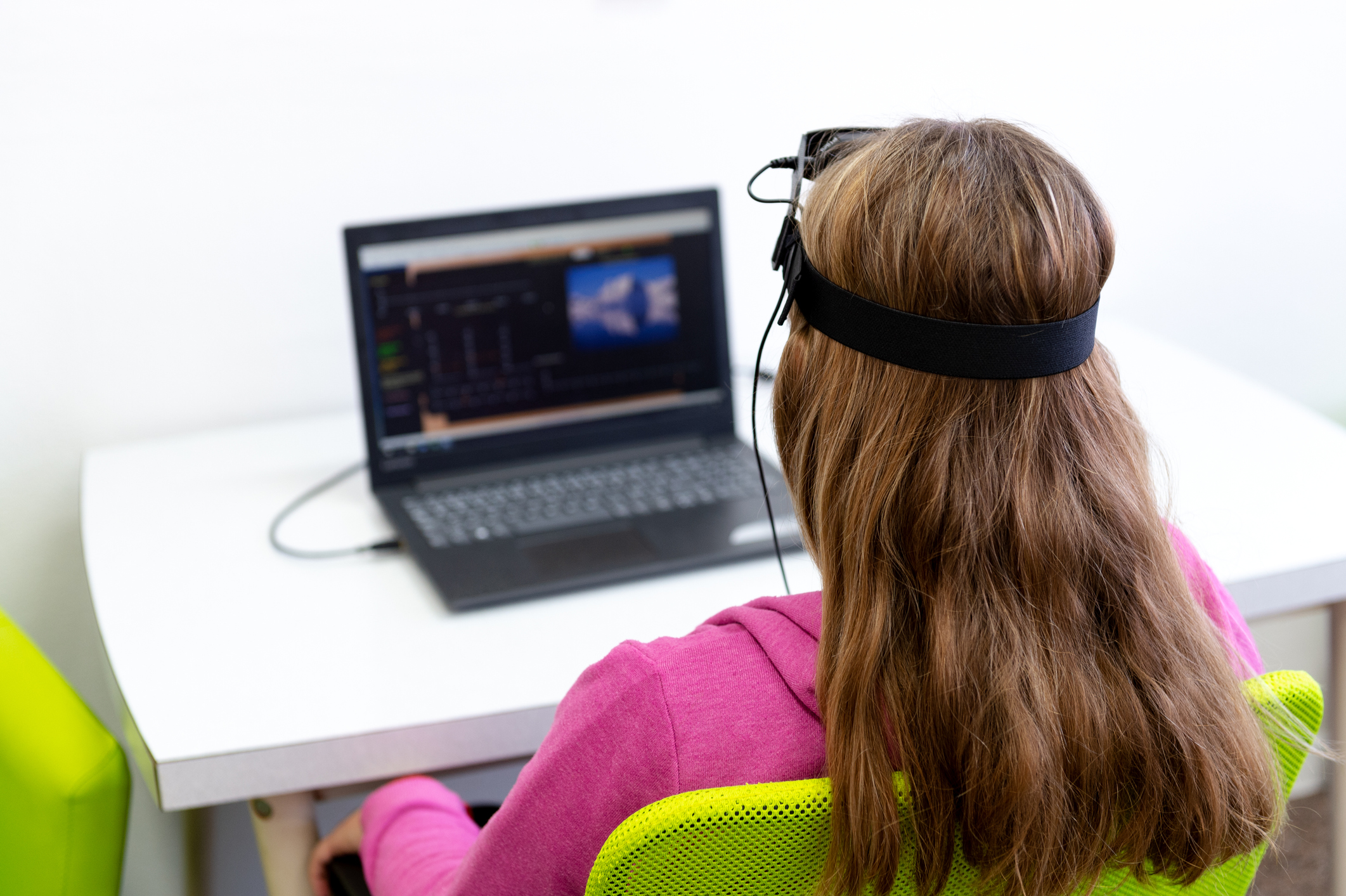
Neurofeeback therapy is used to teach an individual how to develop stronger self-control of their own brain functions and change the way their brains behave. This is achieved through the process of measuring brainwaves and providing feedback through visual and auditory reinforcement.
During a session, your therapist looks for involuntary body processes and brain functions that are not benefitting you. Once these are unwanted brainwaves are identified, feedback is provided to improve awareness of these brain functions and reduce the frequency at which they occur.
How can Neurofeedback therapy help you?
Many mental health issues arise when our brain waves are not working together in a healthy balance. Due to these imbalances, the brain is unable to function correctly, leading to issues with our cognitive functions and mental health.
In the case of anxiety, neurofeedback therapy reduces symptoms by encouraging frontal lobe regulation. This helps the brain have a more balanced reaction to stimulus instead of constantly creating anxious or negative thoughts. Neurofeedback also helps us become conscious of the overreaction and training the brain to calm down.
In neurological disorders such as ADHD, neurofeedback therapy works to train our brains to increase high-frequency brain waves, which help to strengthen attention and encourage self-control.
Neurofeedback can help you heal from many issues, including:
- Attention-Deficit / Hyperactivity Disorder (ADHD)
- Anxiety
- Post-Traumatic Stress Disorder (PTSD)
- Obsessive-Compulsive Disorder (OCD)
- Bipolar Disorder
- Depression
- Addiction
- Conversion Disorder
- & other mental health disorders
Is it Safe? Are there any risks?
Neurofeedback therapy, when executed by a professional, poses little to no risk for patients seeking healing for their mental health. Therefore, as long as you are seeking a mental health professional who has gone through all of the necessary training and certification to perform neurofeedback therapy, the risk of being harmed are very small if there is any at all.
Any potentially adverse side effects you may experience during neurofeedback therapy, such as dehydration, headaches, or mind cloudiness, will be addressed in your next session, as your therapist works to figure out what caused it and adjusts your treatment plan accordingly.
Accepted Insurances
- Aetna
- BCBS
- Cigna/Evernorth
- DMBA
- EMI
- First Health
- MotivHealth
- PEHP
- Select Health
- Tricare
- VA
- Wise
- UHC
- Bind/Surest
- GEHA
- UMR
- United Health Shared Services
- Tricare West VA
- Curative Health Care