If someone told you that you could train your brain the same way you train a muscle, you’d probably be skeptical. That’s fair. Most people haven’t heard of neurofeedback, and the ones who have are often working with incomplete or outdated information.
At Butterfield Counseling & Neurofeedback, neurofeedback therapy is at the core of what we do. We combine it with evidence-based counseling to treat conditions like ADHD, anxiety, depression, trauma and PTSD, OCD, addiction, autism and sensory processing issues, and conversion disorders. This page is designed to answer every question you might have about what neurofeedback is, how it works, and what it can do for you.
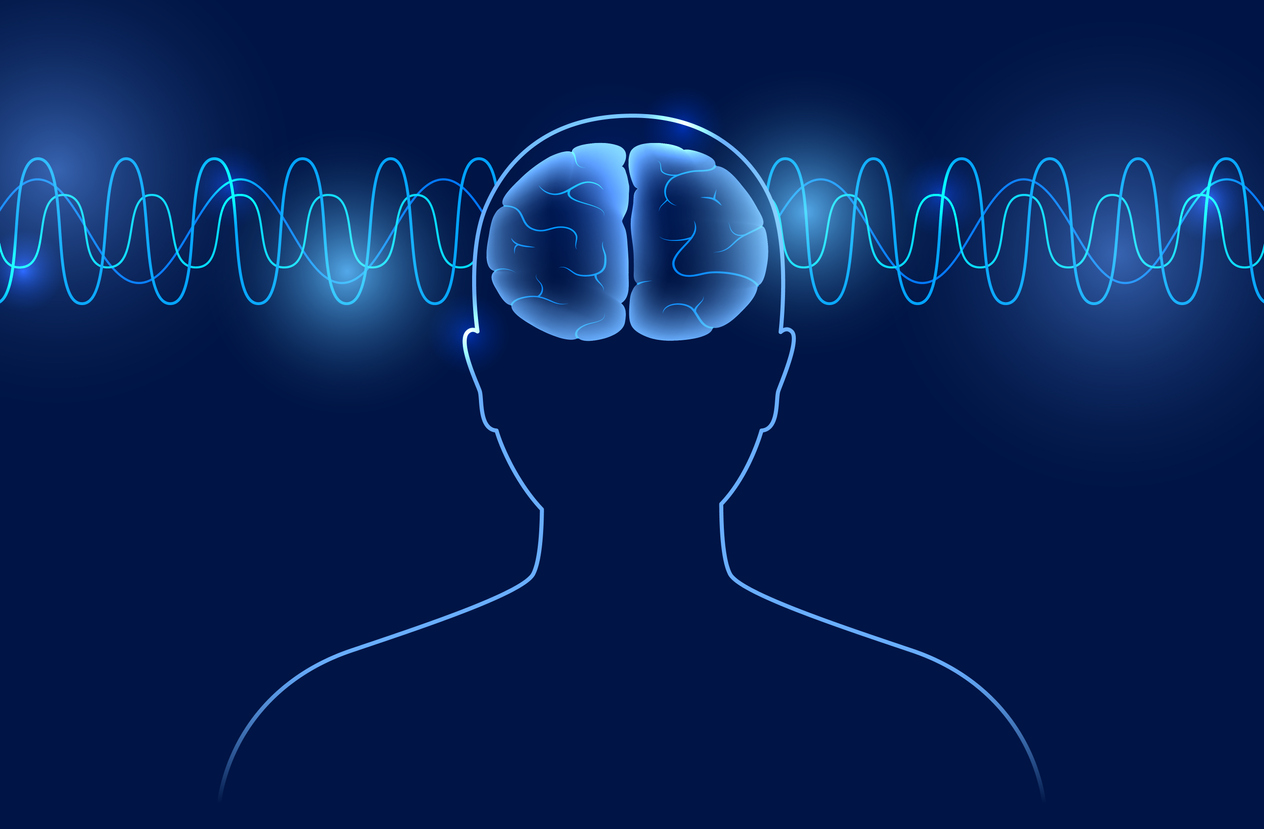
Neurofeedback is a form of biofeedback that focuses specifically on the brain. It uses real-time monitoring of brainwave activity to teach the brain to regulate itself more effectively. The process is completely non-invasive: sensors are placed on the scalp (not into the brain), and those sensors read the electrical activity your brain is already producing.
During a session, you watch a screen or listen to audio. The media responds to your brainwave patterns. When your brain produces the balanced, regulated activity we’re training for, the screen brightens or the audio plays smoothly. When it drifts toward the dysregulated patterns associated with your symptoms, the feedback changes. Over time, your brain begins to recognize what regulated activity feels like and produces it more consistently on its own.
Think of it as physical therapy for the brain. You’re not adding anything to the brain or changing its structure. You’re helping it learn to function more efficiently using its own capacity for adaptation.
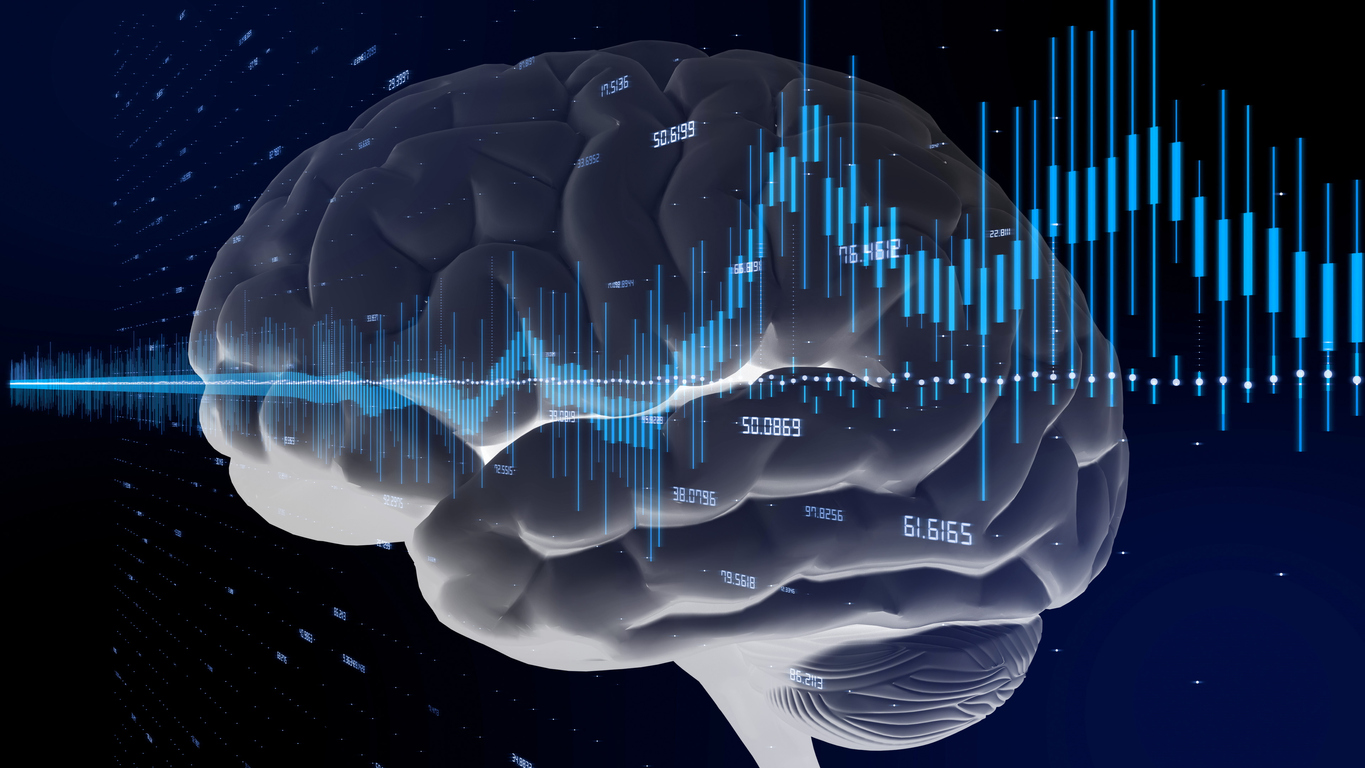
Your brain communicates through electrical signals that produce measurable brainwave patterns. These patterns fall into categories based on their frequency:
Delta waves (0.5-4 Hz)
The slowest waves. Dominant during deep sleep.
Theta waves (4-8 Hz)
Associated with drowsiness, daydreaming, and the transition between waking and sleep.
Alpha waves (8-12 Hz)
Present during calm, relaxed wakefulness. A bridge between conscious thinking and the subconscious.
Beta waves (12-30 Hz
Active during focused thinking, problem-solving, and engaged conversation.
Gamma waves (30+ Hz)
Associated with higher cognitive functions, learning, and information processing.
In a healthy brain, these waves shift naturally depending on what you’re doing. Problems arise when certain frequencies dominate at the wrong times or in the wrong areas. A person with ADHD might produce too much theta (daydreaming) activity and not enough beta (focus) activity in their frontal lobe. A person with anxiety might show overactive beta in areas associated with threat detection. Depression often involves an imbalance between the left and right frontal lobes.
We work with couples dealing with a wide range of relationship challenges:
Neurofeedback trains the brain to produce the focused, regulated patterns that ADHD disrupts. For many families, it offers an effective alternative or complement to medication.
By calming the brain’s overactive threat-detection system, neurofeedback helps reduce the intensity and frequency of anxious responses.
Neurofeedback can restore balance between the left and right frontal lobes, improving mood, motivation, and energy.
Neurofeedback helps the brain come out of the hyperactivated survival state that trauma creates, making it easier to engage in therapy and daily life.
By reducing overactivity in the brain’s error-detection circuits, neurofeedback can lower the intensity of obsessive thoughts and compulsive urges.
Neurofeedback targets the reward-system imbalances that drive craving and impulsive behavior
Neurofeedback can improve sensory integration, emotional regulation, and attention in children and adults on the spectrum.
By addressing the dysregulated brain patterns behind functional neurological symptoms, neurofeedback can reduce symptom frequency and intensity.
Neurofeedback can also help with sleep problems, chronic stress, peak performance, and general brain optimization, even for people who don’t have a clinical diagnosis.
Every new client starts with a consultation so we can understand your situation and determine if neurofeedback is the right fit.
Step 1
EFT is one of the most researched and effective approaches to couples therapy. Developed by Dr. Sue Johnson, EFT is grounded in attachment science and focuses on the emotional bonds between partners. Research shows that 70-75% of couples who complete EFT move from distress to recovery. It works by helping partners identify the negative interaction patterns they’re stuck in, access the deeper emotions driving those patterns, and create new, more secure ways of responding to each other.
Step 2
Sessions are 30 to 60 minutes, typically one to two times per week. You sit in a comfortable chair with small sensors attached to your scalp. The sensors only read your brain’s electrical activity. Nothing is sent into the brain. You watch a screen or listen to audio while the neurofeedback system provides real-time feedback to your brain.
Step 3
We don’t just trust that it’s working. We measure it. Regular brainwave assessments let both you and our team track objective changes over the course of treatment. This ensures the protocol stays targeted and effective.
Step 4
A full course of neurofeedback is typically 30 to 40 sessions. Many clients notice improvements within 10 to 15 sessions. Because the brain has learned new patterns of regulation (rather than relying on a temporary chemical change), the results tend to be lasting.
This is one of the most common questions we hear, and the answer is yes. Neurofeedback works by training the brain, not by temporarily altering its chemistry. Once the brain has learned to produce healthier patterns, those patterns tend to stick. Think of it like learning to ride a bicycle: once the neural pathways are established, the skill remains even after you stop practicing.
Some clients return for occasional tune-up sessions, especially during high-stress periods, but the core changes are lasting.

Neurofeedback is only as effective as the person administering it. Our practice includes multiple therapists who hold Board Certification in Neurofeedback (BCN) through the Biofeedback Certification International Alliance, including our founder Zack Butterfield (CMHC, BCN) and Clinical Director Alecc Quezada (CMHC, BCN). This certification requires rigorous training, supervised clinical hours, and a national exam. You can meet our full team on our about page.
Neurofeedback is only as effective as the person administering it. Our practice includes multiple therapists who hold Board Certification in Neurofeedback (BCN) through the Biofeedback Certification International Alliance, including our founder Zack Butterfield (CMHC, BCN) and Clinical Director Alecc Quezada (CMHC, BCN). This certification requires rigorous training, supervised clinical hours, and a national exam. You can meet our full team on our about page.
Very. Neurofeedback is non-invasive and the sensors only read brain activity. Nothing is sent into the brain. When administered by a board-certified practitioner, side effects are rare and typically mild (occasional headache or fatigue after a session).
Not at all. The sensors sit lightly on the scalp and you don’t feel anything during the session. Most clients describe the experience as relaxing. Children often say it feels like watching a show or playing a game.
A full course of neurofeedback is typically 30 to 40 sessions. Many people notice changes within 10 to 15 sessions. Your therapist will track progress with objective brainwave assessments and adjust the plan as needed.
For some clients, neurofeedback serves as an alternative to medication. For others, it works alongside medication. Some clients who start neurofeedback while on medication find they’re able to work with their prescriber to reduce dosages over time. We never make medication decisions. That’s between you and your prescribing provider.
We work with children ages 5 and up, adolescents, and adults. The process is adapted to be comfortable and engaging for each age group.
Yes. We accept most major insurance plans in Utah. Coverage for neurofeedback varies by plan, so contact us to verify your specific benefits before your first appointment.
If you’ve been curious about neurofeedback or wondering if it’s the right fit for what you’re dealing with, the easiest next step is a conversation. Call 385-330-2818 or schedule a consultation to talk with our team and get your questions answered.