
Walking into something unfamiliar can feel uncomfortable, especially when it involves your brain. If you’ve scheduled your first visit at Butterfield Counseling & Neurofeedback or you’re thinking about it, you probably have a picture in your mind of what it might be like, and that picture might be making you nervous. Let’s replace the guessing with specifics. Here’s exactly what happens, step by step, so you know what you’re walking into.
Before You Come In: The Consultation
Everything starts with a consultation. This isn’t a screening questionnaire or a sales pitch. It’s a real conversation with a member of our team about what’s going on in your life and whether our approach makes sense for your situation. We’ll ask about what brought you here, what you’ve tried before, and what you’re hoping for. You can ask us anything. If neurofeedback isn’t the right fit, we’ll tell you that honestly and, when we can, point you toward something that might help more.
If we both agree it makes sense to move forward, we’ll schedule you for your first in-office visit.
Your First Visit: The Brain Mapping Assessment
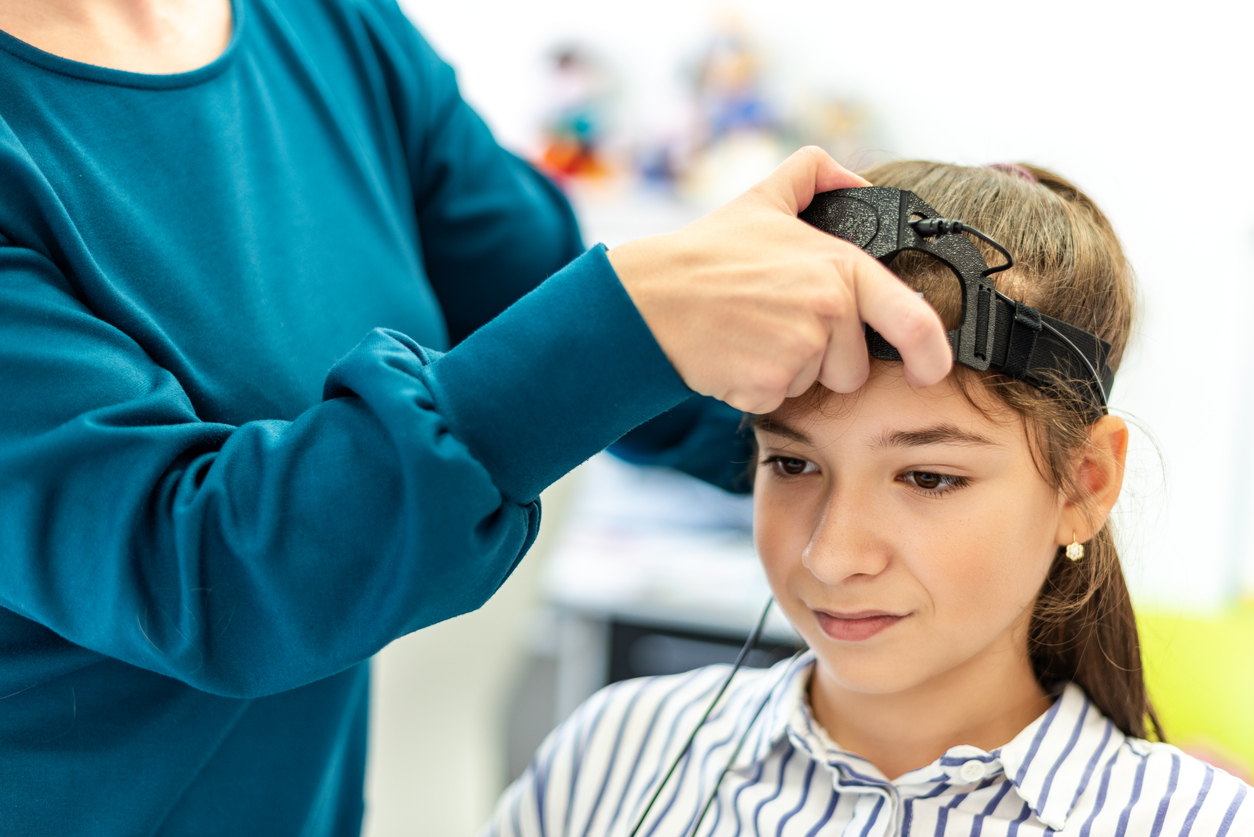
Your first in-office appointment focuses on brain mapping, also called a quantitative EEG or qEEG. This is the diagnostic step that makes everything else possible. Small sensors are placed on your scalp in specific locations to read the electrical activity in different brain regions. The sensors are lightweight, painless, and don’t send anything into your brain. They only listen.
You’ll sit quietly for about 20 to 30 minutes while the system records your brainwave patterns, typically with eyes open for part of the time and eyes closed for the rest. It’s calm and uneventful. Some people say it’s the most relaxed they’ve felt in weeks, just sitting quietly with nothing expected of them.
The data from this assessment gets analyzed by your therapist and produces a detailed map of your brain’s activity: which regions are overactive, which are under-active, where communication between areas is strong, and where it’s breaking down. This map becomes the foundation of your personalized treatment protocol. It’s also the baseline we’ll measure progress against over the course of treatment.
Your First Training Session
Once the brain map has been analyzed and your therapist has built a protocol targeting your specific patterns, training sessions begin. You’ll sit in a comfortable chair with sensors on your scalp, facing a screen. The screen responds to your brainwave activity in real time. When your brain produces the patterns we’re training for, the image stays bright and the audio stays smooth. When it drifts, the feedback shifts slightly. You don’t have to “try” to make anything happen. Your brain picks up on the feedback naturally, the same way it learns everything else. Sessions are 30 to 60 minutes, and you can go about your day normally afterward. Learn more about how this process works on our neurofeedback therapy page.
What Changes Feel Like
This is the part everyone wants to know about, and the honest answer is that changes are usually gradual rather than dramatic. You won’t walk out of session three feeling like a different person. What tends to happen is more like this: somewhere around session 8 or 12, you realize that the thing that usually sends you into a spiral didn’t hit as hard. Or your spouse mentions that you’ve seemed calmer lately. Or your child’s teacher says they had a good week and you realize it’s been a string of good weeks.
The changes build quietly. Sleep often improves first. Then emotional reactivity softens. Then focus and concentration start to sharpen. Over the full 30 to 40 session course, these shifts become more stable and consistent. We track progress with periodic brain map reassessments so you can see the objective data, not just your subjective impression on a given day. Read about the conditions we treat on our services page.
What to Bring (and What Not to Worry About)
There’s nothing special you need to bring or do to prepare. Come with clean, dry hair (products like gel or heavy conditioner can interfere with the sensors). Wear comfortable clothing. Eat normally. There’s no need to stop any medications you’re currently taking.
And if you’re feeling nervous, that’s completely normal. Most people are before their first session. By the second or third visit, the process feels routine.
Frequently Asked Questions
Does brain mapping hurt?
Not at all. The sensors sit lightly on your scalp. You won’t feel anything during the assessment. There are no needles, no electrical stimulation, and no discomfort of any kind.
Can I drive after a neurofeedback session?
Yes. Neurofeedback doesn’t impair your ability to function. Some people feel briefly tired afterward, similar to how you might feel after a focused study session, but most carry on with their day normally.
How often do I need to come?
Most clients come once or twice per week. Your therapist will recommend a frequency based on your specific situation, goals, and schedule.
What if I don’t notice any changes?
That’s what the brain map reassessments are for. Sometimes changes are happening at the neurological level before you consciously notice them. The objective data from a re-mapping can show progress that you haven’t felt yet. If the data isn’t moving either, your therapist will adjust the protocol.
Ready to take the first step? The call itself is easy, and we’ll take it from there. Call 385-330-2818 or schedule a consultation.